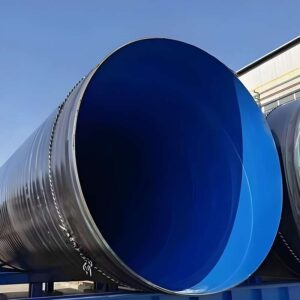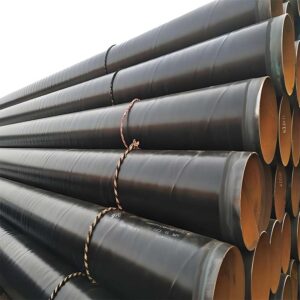
I. Background of the Demand for Large-Diameter Projects
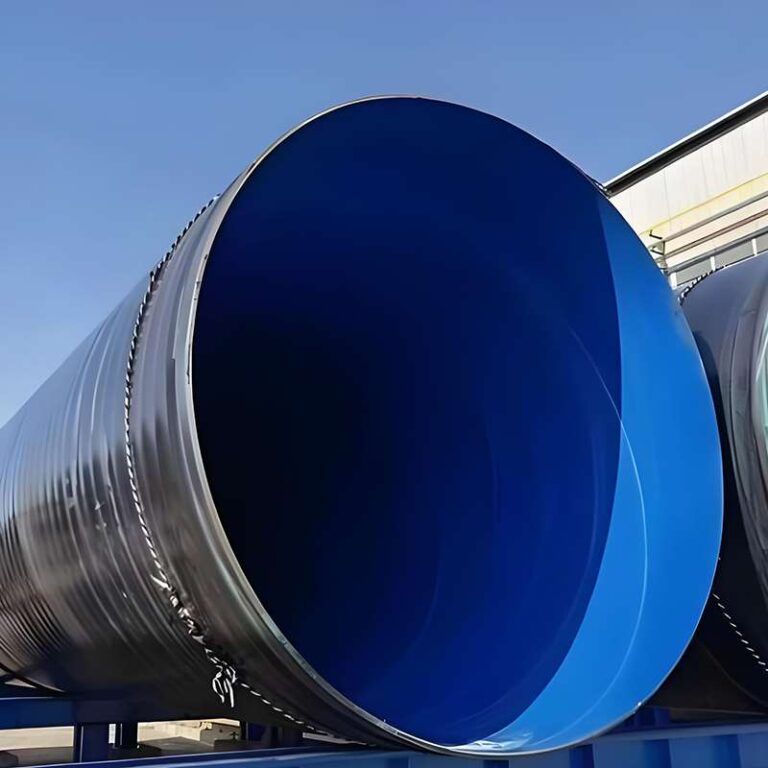
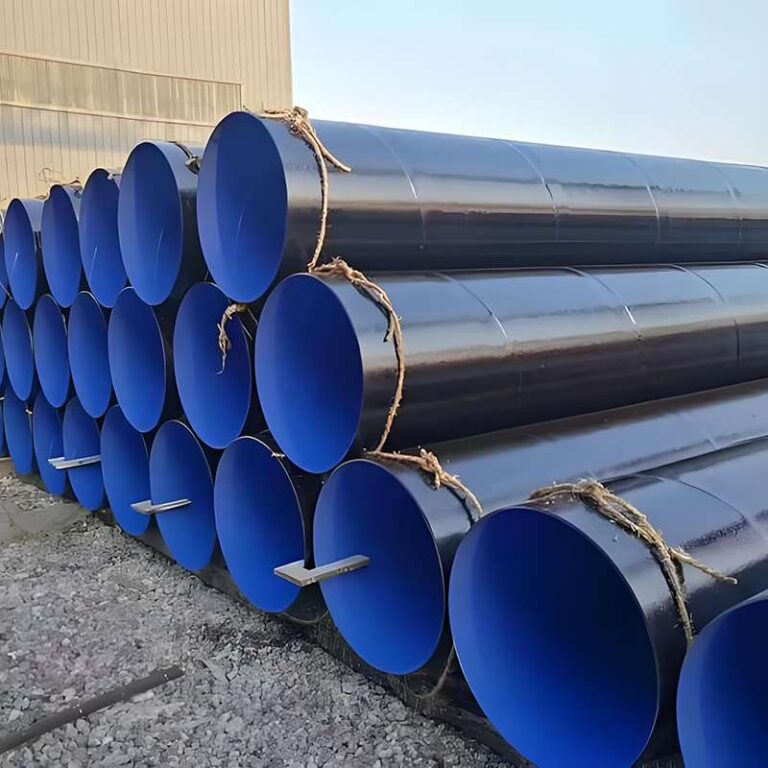
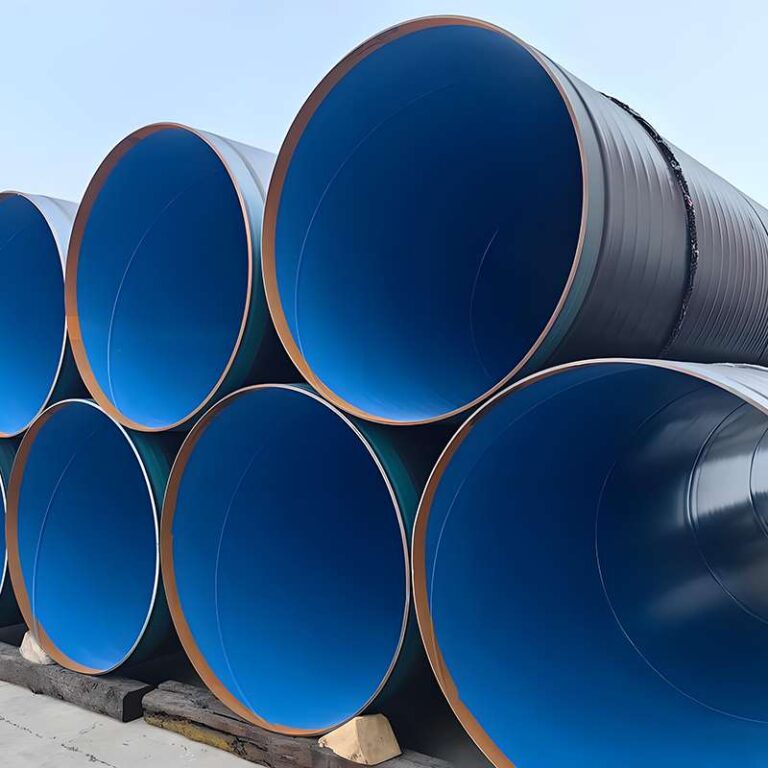
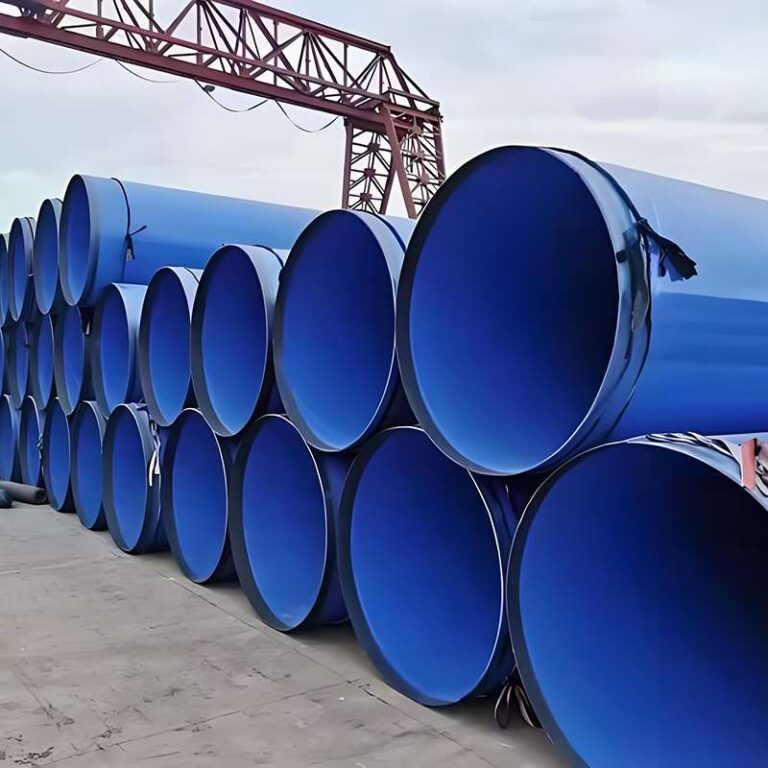
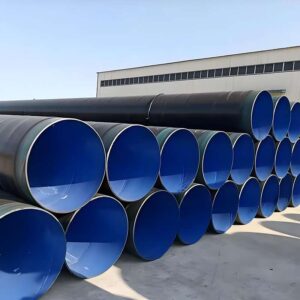
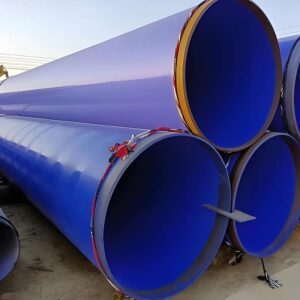
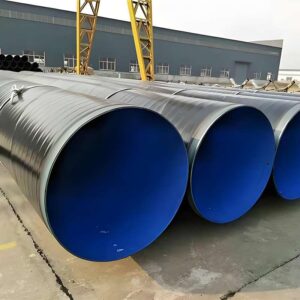
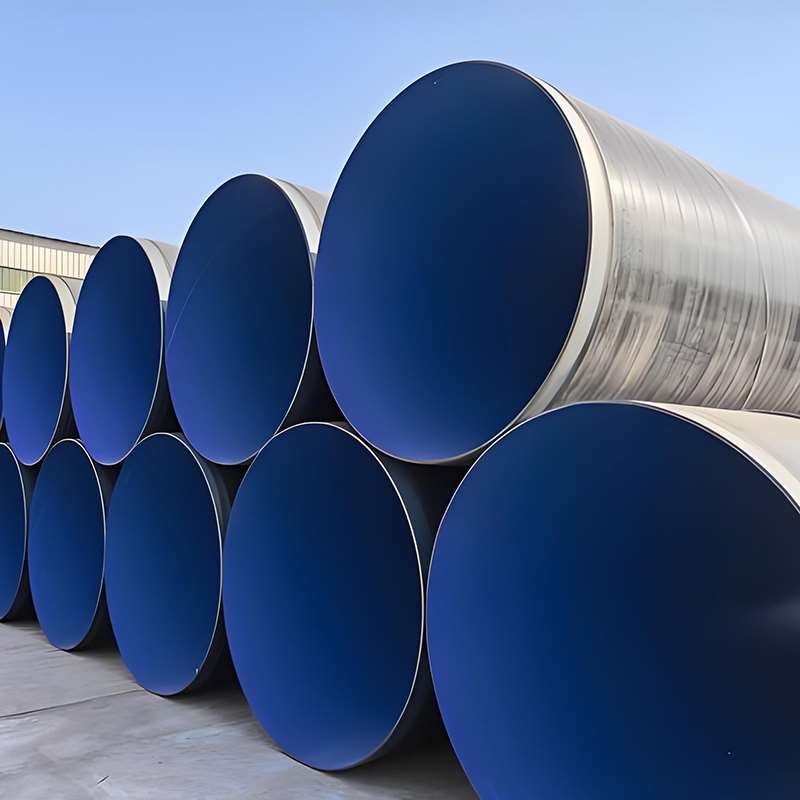
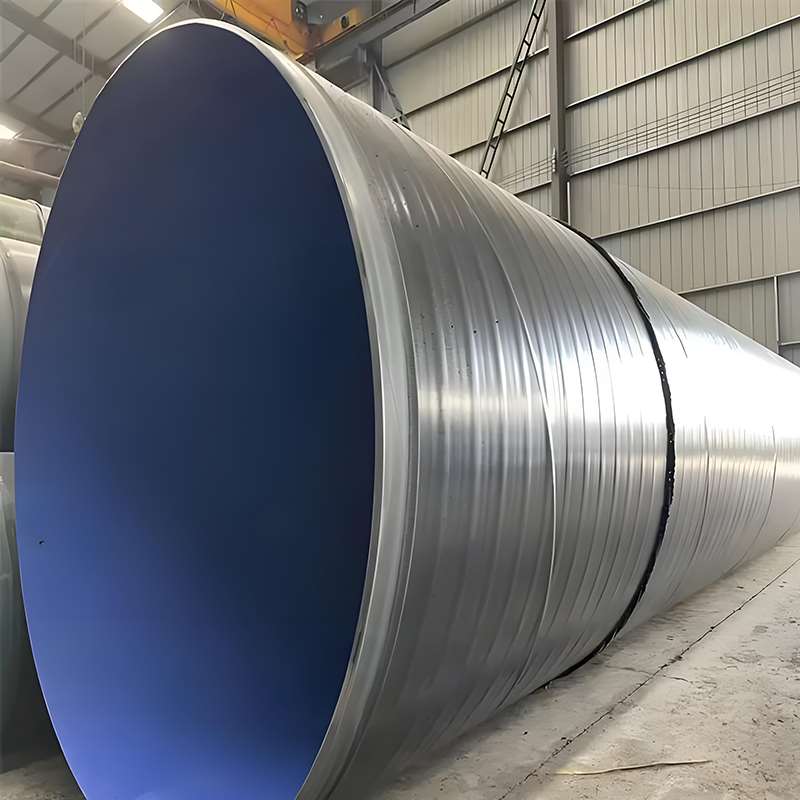
Large-diameter 3PE-coated pipes are increasingly widely used in modern oil and gas, water conservancy, and infrastructure projects, playing a particularly critical role in long-distance, high-flow transmission systems.
In practical engineering applications, large-diameter pipelines are not merely “l(fā)arger in size”; they represent a more efficient transportation solution. Under equivalent pressure conditions, they can achieve higher flow rates, reducing the number of intermediate pressurization facilities and thereby lowering overall construction and operational costs.
At the same time, in national-level infrastructure projects—such as long-distance oil and gas pipelines, inter-regional water diversion projects, and metropolitan water supply systems—large-diameter pipelines have become an integral part of the main transportation network.
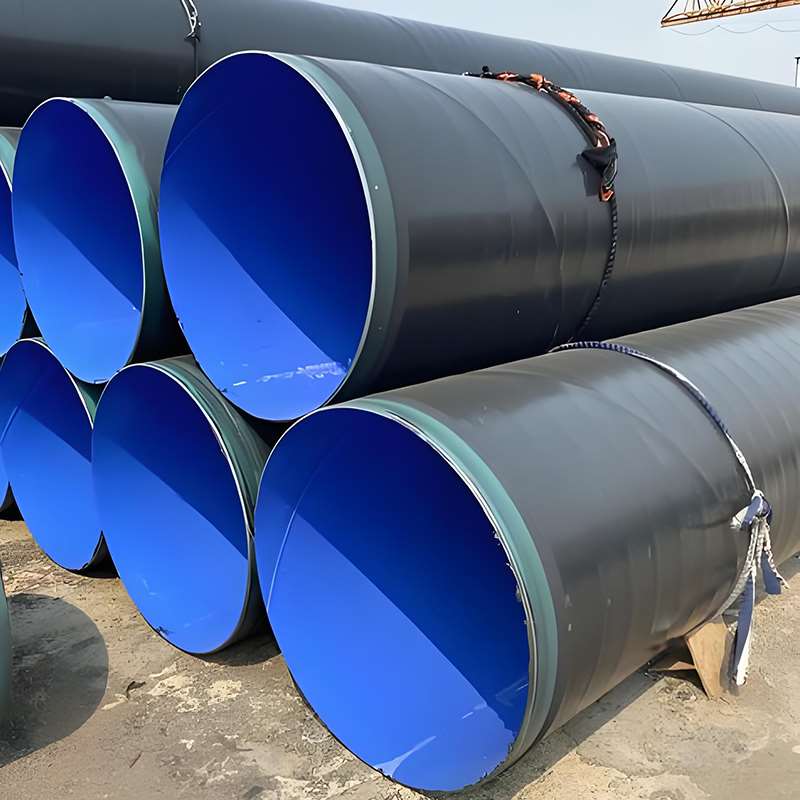
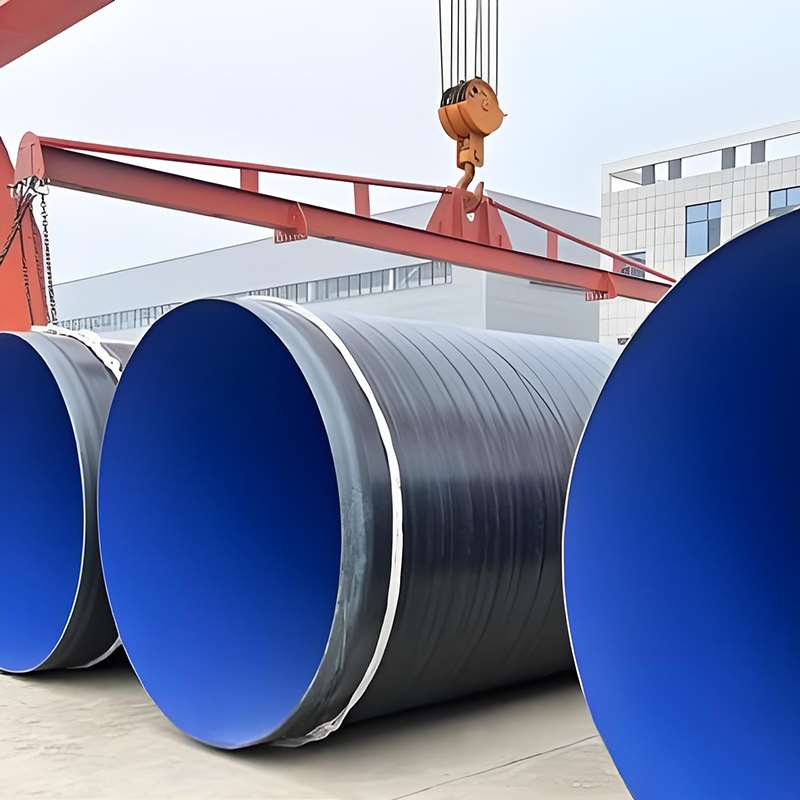
II. Manufacturing Process for Large-Diameter 3PE-Coated Pipes
- Surface Pretreatment of Bare Pipes
- Preheating: The steel pipes are first preheated to remove moisture and oil from the surface.
- Shot Blasting: High-speed abrasive particles are propelled against the pipe surface to achieve a Sa2.5 (near-white) rust removal standard.
- Anchor Pattern Depth: The treated surface develops a certain degree of roughness (typically 40–100 μm), known as the “anchor pattern,” which significantly enhances the mechanical adhesion of the coating.
- Medium-Frequency Induction Heating
- Temperature Control: Heat the steel pipe to 200°C–230°C. This temperature range is critical: if the temperature is too low, the epoxy powder will not cure completely; if it is too high, the powder may char or the polyethylene may degrade.
- Three-Layer Coating Process
- Base Layer: Epoxy Powder
- Applied to the surface of the heated steel pipe via electrostatic spraying.
- Function: Provides core chemical corrosion resistance and extremely strong adhesion, preventing cathodic delamination.
- Intermediate Layer: Adhesive
- Extruded and wound onto the epoxy powder while it is still in a molten state.
- Function: Acts as an “adhesive” to firmly bond the underlying epoxy powder to the outer polyethylene layer.
- Outer Layer: Polyethylene
- Using a lateral extrusion winding process, molten PE tape is tightly wound around the steel pipe surface and smoothed by a pressure roller.
- Function: Provides mechanical protection, water resistance, abrasion resistance, and impact resistance, serving as the pipeline’s “armor.”
- Cooling and Curing
- After coating, the steel pipe must be immediately cooled by circulating water spray.
- Purpose: To rapidly harden and set the polyethylene coating, preventing damage during subsequent handling.
- Result: After cooling, the three layers of material react to form a dense composite structure, typically between 2.0mm and 3.7mm thick (depending on pipe diameter).
- Quality Inspection
- Electrospark Inspection: The entire line is scanned using a high-voltage electrospark detector to ensure the coating is free of pinholes or leaks.
- Thickness Measurement: An ultrasonic thickness gauge is used to ensure that the total 3PE coating thickness meets specifications.
- Peel Strength Test: A random section of the coating is cut and subjected to a pull-off test to ensure there is no delamination between the three layers.
- Pipe End Preparation
- Reserved Length: Typically 100 mm to 150 mm.
- Bevel Grinding: Grind the edges of the pipe end coating (typically a 30° bevel) to prevent the anti-corrosion spiral steel pipe coating from peeling during installation.
III. Applications of Large Diameter 3PE Coated Pipes
Large diameter 3PE coated pipes are widely used in national infrastructure projects and large-scale transmission systems. These projects typically involve long transportation distances, extended service life requirements, and challenging maintenance conditions. Compared with conventional steel pipes, 3PE coated steel pipes are better suited for long-term underground installation and operation in harsh environments, making them the preferred choice for many major engineering projects.
1. National Oil and Gas Transmission Networks
In the oil and natural gas industry, large diameter 3PE coated pipes are primarily used for:
- Long-distance crude oil transportation pipelines
- Natural gas trunk pipelines
- Urban gas distribution networks
These pipeline systems are often designed to operate continuously for several decades, requiring exceptional levels of safety, reliability, and corrosion resistance.
Why Use 3PE Coating for Oil and Gas Pipelines?
Most oil and gas pipelines are buried underground for long periods and are exposed to various corrosive conditions, including:
- Soil corrosion
- Groundwater penetration
- Oxidation caused by moisture and humid environments
The 3PE (Three-Layer Polyethylene) coating system provides an effective barrier against external corrosive media, significantly improving the long-term integrity and operational stability of the pipeline.
2. Municipal Water Supply and Inter-Basin Water Transfer Projects
Large diameter 3PE steel pipes are extensively used in major water transmission projects, including:
- Municipal water supply trunk networks
- Long-distance water transfer systems
- Reservoir water conveyance pipelines
- Agricultural irrigation main pipelines
As urban populations continue to grow and water demand increases, traditional small-diameter pipelines often struggle to meet the requirements of high-volume water transportation.
Advantages of Large Diameter Pipelines
Higher Water Conveyance Capacity
Large diameter pipes can transport greater volumes of water within a shorter period, improving overall system efficiency.
Reduced Pressure Loss
They provide more stable hydraulic performance and lower pressure losses during long-distance transmission.
Lower Operating Costs
Their increased flow capacity can reduce the number of pumping stations required, helping lower overall project investment and operating expenses.
3. Power Plants and Industrial Circulating Water Systems
In thermal power plants, chemical processing facilities, and large industrial parks, large diameter 3PE coated pipes are commonly used for:
- Cooling water circulation systems
- Industrial water supply networks
- Drainage and wastewater transmission systems
These environments often feature high humidity levels and continuous exposure to moisture, making conventional steel pipes vulnerable to external corrosion. The 3PE coating provides reliable long-term protection and extends pipeline service life.
4. Port Infrastructure and Marine Engineering
Ports, seawater transportation projects, and offshore engineering applications require even higher levels of corrosion protection due to the harsh marine environment, which is characterized by:
- High salt content
- High humidity
- Accelerated corrosion rates
Large diameter 3PE coated pipes offer excellent resistance to marine corrosion and are widely used in:
- Seawater transmission pipelines
- Port and harbor infrastructure projects
- Offshore platform supporting facilities and auxiliary systems
Their superior corrosion resistance and mechanical durability make them an ideal solution for demanding coastal and offshore applications.
IV. Our Project Assurance Advantages: Solving the Key Challenges of Large Diameter Pipeline Construction
In large diameter pipeline projects, high-quality steel pipes are only the starting point. Our real value lies in eliminating common construction risks before they occur through strict manufacturing control, advanced corrosion protection solutions, and comprehensive project support.
1. End-to-End Corrosion Protection System
Due to their substantial weight, large diameter pipes are particularly vulnerable to 3PE coating damage during loading, unloading, transportation, and storage.
Our Solution
Every pipe is equipped with customized pipe-end protectors designed to safeguard both the beveled ends and the coating system during handling and transit.
Delivery Advantages
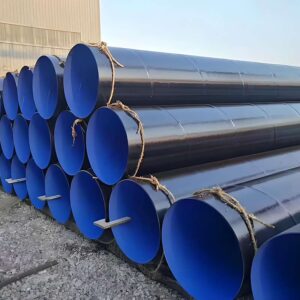
We use professional heavy-duty fiber slings for loading operations and provide scientifically designed stacking and storage recommendations. Even after thousands of kilometers of ocean and inland transportation, the 3PE coating remains intact, significantly reducing field repair work, project delays, and additional maintenance costs for customers.
2. Superior Weldability for Leak-Free Pipeline Systems
The long-term integrity of any large diameter pipeline system depends heavily on weld quality.
Our Solution
We strictly control pipe-end geometry in accordance with API 5L PSL2 requirements, ensuring excellent roundness and dimensional accuracy within tight tolerances.
Performance Benefits
Precise bevel preparation and superior pipe-end alignment enable faster and more efficient field fit-up and welding. We support 100% UT (Ultrasonic Testing) and RT (Radiographic Testing) inspection requirements, ensuring that every weld joint is capable of withstanding long-term operating pressure and demanding service conditions.
3. Expert Field Joint Coating Support: Strengthening the Most Critical Point of the Corrosion Protection System
Field weld joints are widely recognized as the most vulnerable area in any pipeline corrosion protection system and are often considered the weakest link in long-term pipeline integrity.
Our Solution
In addition to supplying the coated pipes, we provide matching field joint coating systems, including heat-shrink sleeves, heat-shrink wraps, and liquid epoxy repair materials, along with detailed installation procedures and technical guidance.
System Value
By delivering an integrated solution that combines coated pipes and compatible field joint protection materials, we ensure that welded joints achieve corrosion resistance, adhesion strength, and peel resistance comparable to the original 3PE coating. This integrated approach helps achieve a pipeline service life exceeding 50 years with minimal maintenance requirements.
4. Designed for Extreme Environments and Challenging Projects
Whether the pipeline crosses rivers, passes through wetlands, or is installed in coastal saline soils, environmental risks can significantly impact long-term pipeline performance.
Our Solution
We offer customized Heavy-Duty 3PE Coating Systems tailored to specific project conditions and environmental challenges.
Reliability Advantages
By increasing the polyethylene layer thickness and optimizing the performance of the fusion bonded epoxy (FBE) primer, our coating systems provide enhanced resistance to cathodic disbondment, soil stress, and aggressive underground environments. Regardless of geological complexity or installation conditions, our solutions help ensure reliable and long-term pipeline operation.
V. Frequently Asked Questions (FAQ)
Q1: What is the standard thickness of a 3PE coating, and how can compliance be verified?
A: The total thickness of a 3PE coating depends on the pipe diameter and project specifications. In general, the coating thickness ranges from 2.0 mm to 3.0 mm for Normal-Duty systems and 2.7 mm to 3.7 mm for Heavy-Duty systems.
Expert Recommendation:
Each production batch should undergo multi-point thickness inspection using an ultrasonic coating thickness gauge. When sourcing 3PE coated spiral steel pipes, always confirm that the supplier complies with DIN 30670 or ISO 21809-1, as minimum coating thickness requirements may vary slightly between standards.
Q2: Why is 3PE considered one of the best corrosion protection systems for long-distance pipelines?
A: The effectiveness of 3PE coating comes from the combination of three protective layers:
- Fusion Bonded Epoxy (FBE) Primer provides excellent adhesion and chemical resistance.
- Adhesive Layer creates a strong bond between the FBE and polyethylene layers.
- Polyethylene (PE) Outer Layer offers outstanding mechanical protection, impact resistance, and water impermeability.
Expert Recommendation:
Compared with single-layer FBE coatings or cold-applied tape wrapping systems, 3PE coatings can provide a service life exceeding 50 years. They also offer superior resistance to mechanical damage during backfilling operations, helping reduce long-term maintenance costs.
Q3: How can field joint coating protection achieve the same performance as the factory-applied 3PE coating?
A: Field weld joints are often considered the most vulnerable section of a pipeline corrosion protection system. The most widely accepted solution is the use of a three-layer heat-shrink sleeve system.
Expert Recommendation:
Before field joint coating installation, pipe ends should be prepared to St3 power tool cleaning or Sa 2.5 abrasive blast cleaning standards. It is highly recommended to use field joint coating materials that are fully compatible with the original pipe coating system. Strict control of preheating temperature is essential to prevent edge lifting, moisture ingress, and premature corrosion.
Q4: What should be done if the 3PE coating is damaged during transportation?
A: Minor coating damage that does not expose the steel substrate can typically be repaired using two-component liquid epoxy repair coatings or approved patch repair materials.
Expert Recommendation:
Before shipment, we perform a 30° bevel preparation on pipe ends and install protective end caps to minimize transportation-related damage. If coating repairs are carried out on-site, the repaired area should be retested using a holiday detector (spark tester) to verify coating continuity and electrical insulation integrity.
Q5: What is the fundamental difference between PSL1 and PSL2 3PE coated steel pipes?
A: PSL2 (Product Specification Level 2) is a higher-grade specification under API 5L. It imposes stricter requirements on:
- Chemical composition
- Carbon equivalent (CE)
- Mechanical properties
- Impact toughness testing
- Quality control and inspection procedures
Expert Recommendation:
For pipelines transporting flammable or hazardous media such as crude oil and natural gas, or for projects located in low-temperature environments, API 5L PSL2 pipes are strongly recommended. The enhanced material requirements help reduce the risk of brittle fracture and improve overall pipeline safety.
Q6: Can 3PE coatings withstand long-term ultraviolet (UV) exposure?
A: 3PE coating systems are primarily designed for buried pipeline applications. Although the polyethylene outer layer contains carbon black to improve weather resistance, prolonged exposure to direct sunlight—typically beyond 6 to 12 months—may gradually cause coating aging and embrittlement.
Expert Recommendation:
If pipes will be stored outdoors for extended periods or used in above-ground installations, this should be specified during the procurement stage. Additional UV stabilizers can be incorporated into the coating system, or protective covers and shading measures can be recommended to preserve long-term coating performance.