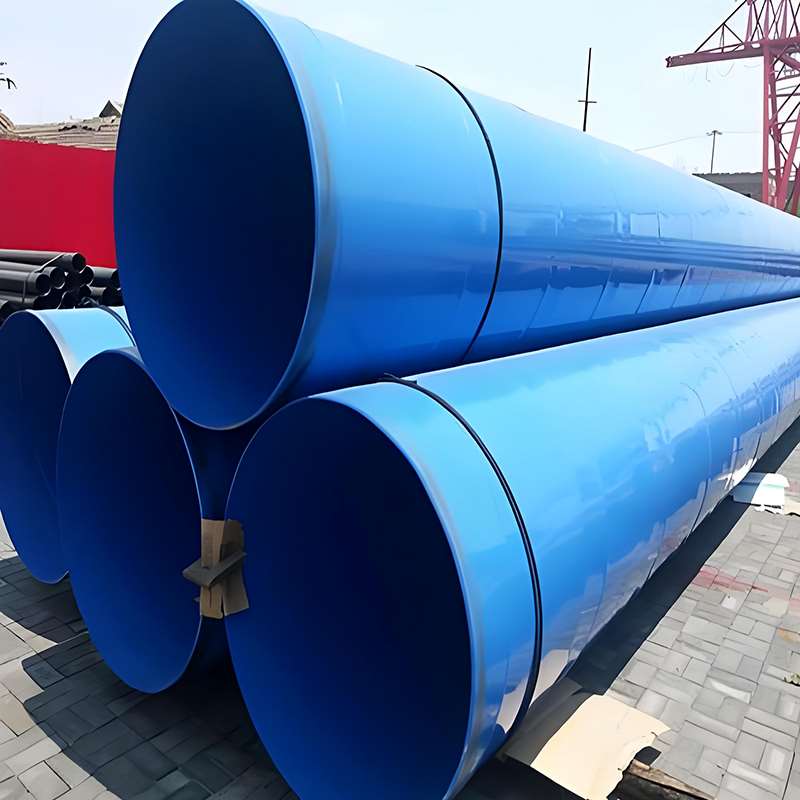
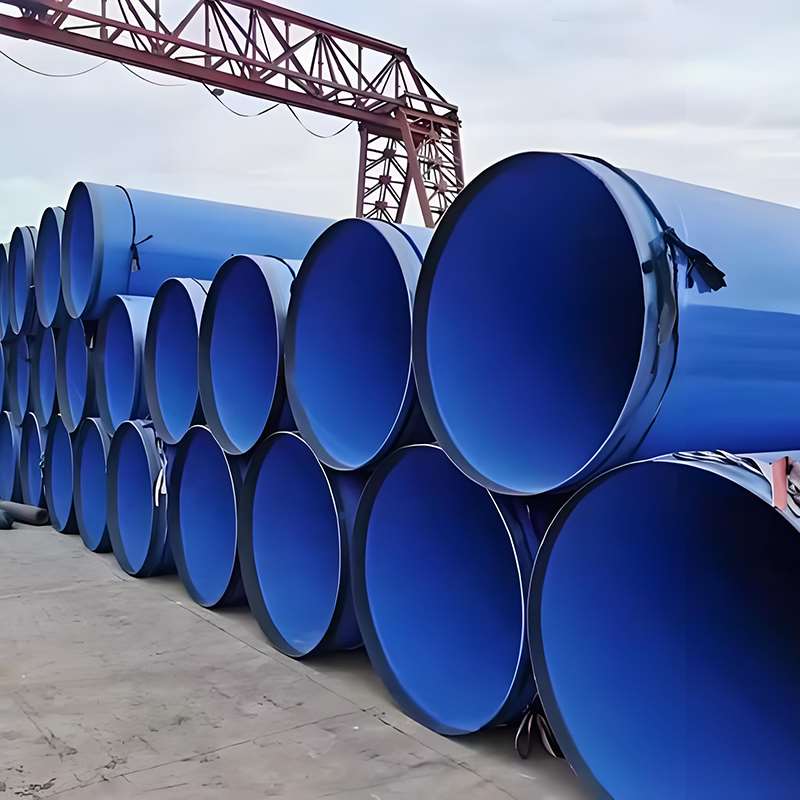
Large Diameter FBE Coated SSAW Pipe is increasingly being used in modern municipal water supply systems. With the accelerating pace of urbanization, water infrastructure projects are placing higher demands on pipeline performance, including high-capacity flow transmission, long-term operational stability, and lower maintenance costs.
Large-diameter water transmission pipelines must not only provide high pressure-bearing capacity, but also adapt to complex soil conditions and long-term buried service environments. As a result, stricter requirements are imposed on both the structural strength of steel pipes and their external anti-corrosion performance, ensuring the safety and reliability of water supply systems throughout long-term operation.
II. Structural Advantages of SSAW Steel Pipe
SSAW (Spiral Submerged Arc Welded) steel pipe is manufactured by continuously forming steel strip into a spiral shape and welding it through submerged arc welding. This process ensures stable structure and makes it highly suitable for large-diameter transmission projects. Its key advantages include:
- Capability for ultra-large diameter production: Suitable for high-capacity water transmission, oil and gas transportation, and municipal trunk pipeline networks.
- High material utilization rate: Continuous forming of steel strip reduces material waste, making it more efficient for long-distance and large-scale engineering applications.
- More uniform stress distribution: The spiral weld seam is distributed at an angle along the pipe body, effectively dispersing internal pressure and external loads, thereby improving overall structural stability.
- More competitive overall cost: Compared with longitudinal welded pipes (LSAW), SSAW pipes offer better economic efficiency and higher construction productivity in large-diameter applications.
III. Requirements for FBE Coating Uniformity
FBE (Fusion Bonded Epoxy) coating serves as a critical protective barrier in steel pipeline anti-corrosion systems. Its uniformity and density directly determine the corrosion resistance and service life of the pipeline.
In actual manufacturing and construction processes, the following key aspects must be strictly controlled:
- Consistent coating thickness: The overall coating must maintain uniform thickness to avoid local over-thickness or under-thickness, which could compromise protective performance.
- Strict surface preparation compliance: The steel pipe surface must undergo high-standard abrasive blasting (shot blasting/sand blasting) to enhance adhesion strength and bonding performance.
- Uniform and complete fusion application: Under controlled high-temperature conditions, epoxy powder must be fully melted and evenly applied to completely cover the steel surface.
- Strict defect control: Defects such as pinholes, bubbles, voids, and local coating holidays must be avoided to ensure coating integrity and quality performance.
IV. Applications in Urban Water Supply Systems
This series of large-diameter FBE Coated Spiral Steel Pipe is specifically designed to meet the high-standard water transmission requirements of modern cities and is widely used in the following key applications:
- Urban water supply trunk networks: Serving as the main high-pressure, high-capacity transmission arteries of municipal water distribution systems.
- Long-distance inter-regional water diversion projects: Adapting to complex underground soil conditions to ensure safe and reliable long-distance water transmission along the entire route.
- Water treatment plant and distribution systems: Used for efficient connection between water treatment plants, pumping stations, and urban pipeline networks.
- Industrial park water supply systems: Meeting the high-demand requirements for continuous and stable water supply in modern industrial zones.
Core assurance:
Thanks to the excellent anti-microbial resistance and zero-toxic release characteristics of FBE (Fusion Bonded Epoxy) coating, the pipeline not only delivers superior sealing performance and long-term corrosion resistance, but also effectively prevents secondary contamination. This ensures 100% protection of drinking water quality safety and long-term system operational stability.
V. Large-Scale Project Construction and Field Adaptability
1. Lifting and Handling of Large-Diameter, Heavy-Weight Pipes
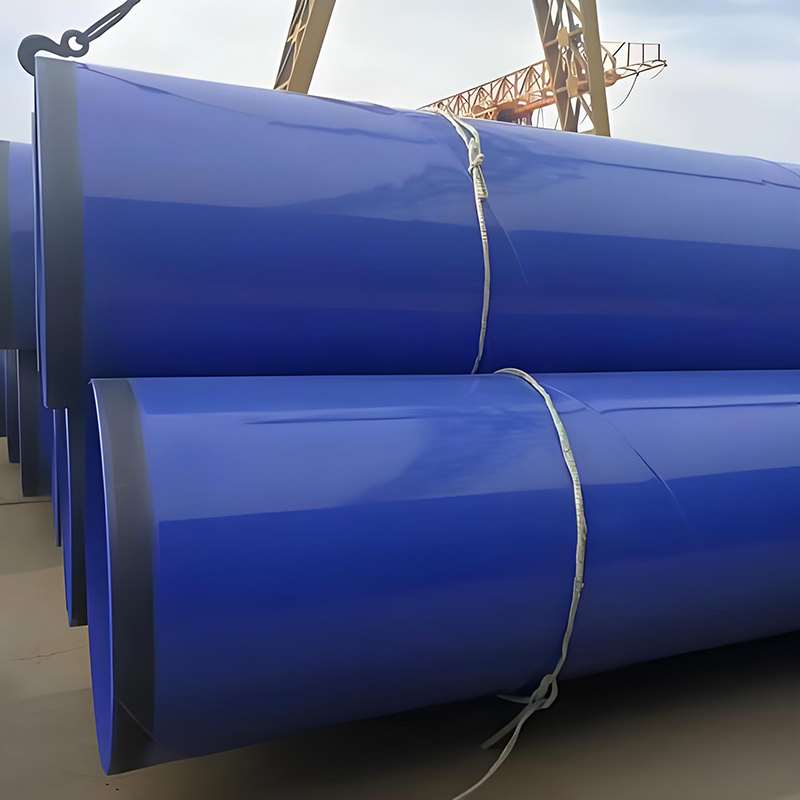
Due to their large diameter and substantial individual pipe weight, on-site installation requires professional lifting equipment and specialized lifting slings. Steel wire ropes should not come into direct contact with the external coating, as they may damage the anti-corrosion layer. All loading, unloading, and pipe-laying operations should be carried out in strict accordance with established construction standards.
2. High-Precision Fit-Up and Welding
The pipe’s wall thickness and roundness are manufactured to precise tolerances. During field installation, professional alignment clamps (internal or external line-up clamps) should be used to ensure uniform weld joint gaps. This helps meet the inspection requirements for high-quality double-sided submerged arc welding or field manual welding procedures.
3. Strict Protection of the Anti-Corrosion Coating
Although FBE coating provides excellent corrosion protection, it is relatively sensitive to mechanical damage. Protective measures should be implemented throughout handling, stringing, installation, and backfilling operations. The trench bottom should be properly leveled and free of sharp rocks or hard debris to maintain the integrity of the external coating system.
4. Efficient Long-Distance Pipeline Installation
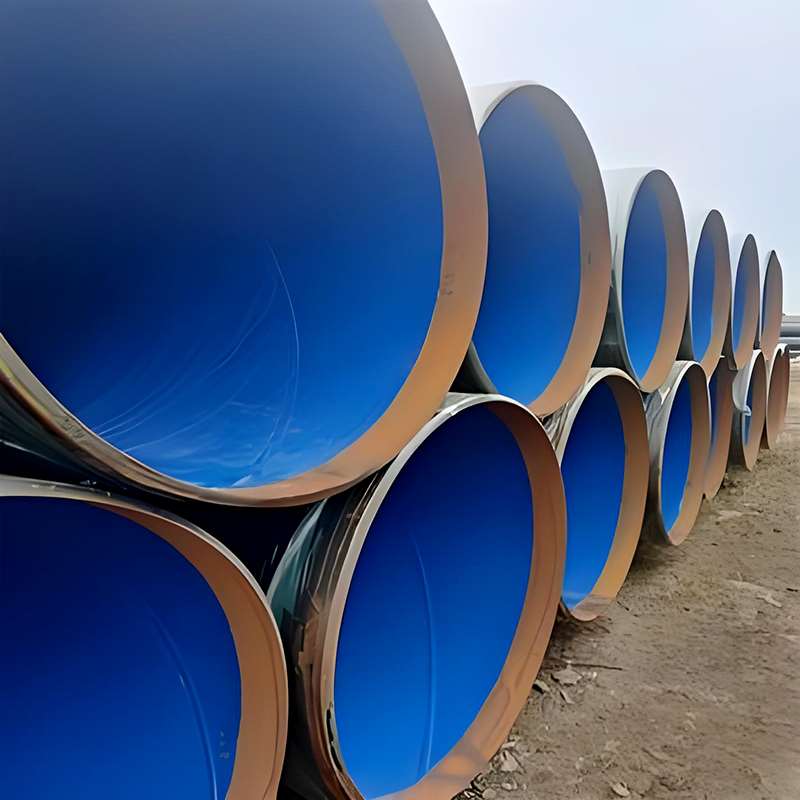
With standard pipe lengths such as 12 meters, large-diameter FBE-coated SSAW pipes are particularly suitable for continuous linear installation in large-scale pipeline projects. Their design supports efficient sectional construction, helping reduce project timelines while improving overall installation quality and construction productivity.
VI. Quality Control Standards
| Inspection Item | Control Standard / Method | Quality Requirement | Purpose |
|---|---|---|---|
| Visual Inspection | Visual examination + dimensional measuring tools | Smooth surface free from cracks, blisters, peeling, dents, or other visible defects | Ensure surface quality and construction suitability |
| Dimensional Accuracy | Vernier calipers, ultrasonic thickness gauge | Outside diameter and wall thickness comply with design specifications and allowable tolerances | Ensure proper installation fit-up and structural safety |
| Weld Quality | Ultrasonic Testing (UT) / Radiographic Testing (RT) | No incomplete penetration, cracks, slag inclusions, or other weld defects | Ensure weld strength and structural reliability |
| Coating Thickness | Coating thickness gauge | Meets specified coating thickness requirements with uniform distribution | Provide consistent and reliable corrosion protection |
| Coating Adhesion | Cross-cut test / Pull-off adhesion test | Meets the required adhesion rating specified by applicable standards | Prevent coating disbondment and maintain long-term anti-corrosion performance |
| Holiday Detection | Holiday detector (spark tester) | No pinholes, holidays, or coating discontinuities | Ensure coating continuity and integrity |
| Hydrostatic Test | Pressure holding test at specified test pressure | No leakage, seepage, or permanent deformation | Verify pressure-bearing capacity and sealing performance |
| Chemical Composition Analysis | Spectrometric analysis | Complies with applicable steel standards (e.g., API, ASTM) | Ensure consistent and reliable material properties |
VII. Selection FAQ: Large Diameter FBE Coated SSAW Pipe
Q1: What applications are large-diameter FBE coated SSAW pipes primarily used for?
These pipes are mainly used in municipal water transmission trunk lines, inter-regional water transfer projects, water treatment plant distribution systems, and industrial park water supply networks.
Thanks to their large diameter, high structural strength, and excellent corrosion resistance, they are also widely used in long-distance buried water transmission projects, particularly in infrastructure applications where long-term reliability and service life are critical.
Q2: How do I select the appropriate pipe diameter and wall thickness for my project?
Pipe selection is generally based on three key factors:
- Design flow rate
- Operating pressure
- Transmission distance
As a general rule:
- Higher flow rates → Larger pipe diameters
- Higher operating pressures → Greater wall thickness
- Longer transmission distances → Higher safety requirements
To ensure optimal performance and cost efficiency, the final pipe specification should be determined by the project design engineer based on hydraulic calculations and engineering requirements. Oversized or undersized pipes can lead to unnecessary costs or operational inefficiencies.
Q3: Is the FBE coating important when selecting a pipeline? Why?
Absolutely. The quality of the FBE (Fusion Bonded Epoxy) coating has a direct impact on the pipeline’s corrosion resistance and service life.
A high-quality FBE coating effectively isolates the steel surface from soil, moisture, oxygen, and chemical contaminants, significantly reducing maintenance requirements and lifecycle costs.
For projects located in high-humidity regions, saline-alkaline soils, or areas with elevated groundwater levels, selecting a pipeline with a high-performance FBE coating system is strongly recommended.
Q4: What advantages does the SSAW structure offer compared to longitudinal welded pipes?
SSAW (Spiral Submerged Arc Welded) pipes provide several key advantages:
- Capable of producing larger diameters for high-capacity water transmission
- More uniform stress distribution, enhancing overall structural stability
- Higher material utilization and improved cost efficiency
- Well suited for long-distance continuous pipeline installation
For these reasons, SSAW pipes are extensively used in large-scale water supply and transmission projects worldwide.
Q5: How can I determine whether the FBE coating quality meets the required standards?
The quality of an FBE coating is typically evaluated based on the following criteria:
- Uniform coating thickness
- Absence of pinholes, bubbles, holidays, or uncoated areas
- Compliance with adhesion strength requirements
- Successful holiday detection (spark testing)
A qualified FBE coating should exhibit a continuous, dense, and defect-free surface, which is essential for ensuring long-term corrosion protection performance.
Q6: How can potential construction and operational issues be minimized during the selection stage?
To reduce installation challenges and long-term operational risks, the following factors should be carefully considered during project planning:
- Clearly define design pressure and required safety factors
- Select a corrosion protection system suitable for the project environment
- Consider transportation and lifting requirements, especially for large-diameter pipes
- Ensure compatibility between welding procedures and field joint coating methods
- Coordinate installation methods with the construction contractor in advance
Proper pipeline selection can significantly improve construction efficiency while reducing future maintenance requirements, repair costs, and leakage risks.
]]>I. Characteristics of Underground Corrosion Environments
Underground pipelines are continuously exposed to complex and harsh environmental conditions. Moisture, oxygen, electrolytes, and microorganisms in the soil all contribute to ongoing corrosion of steel pipes.
Common corrosion factors include:
- High soil moisture content, which accelerates oxidation reactions
- Differences in soil resistivity between layers, leading to electrochemical corrosion
- Stray current interference (e.g., from rail transit systems and power infrastructure)
- Microbiologically influenced corrosion (MIC)
- Acidic or highly saline-alkaline soil conditions
The combined effect of these factors makes it difficult for ordinary steel pipes to maintain long-term stable performance in underground environments.
II. Protective Function of FBE in Buried Applications
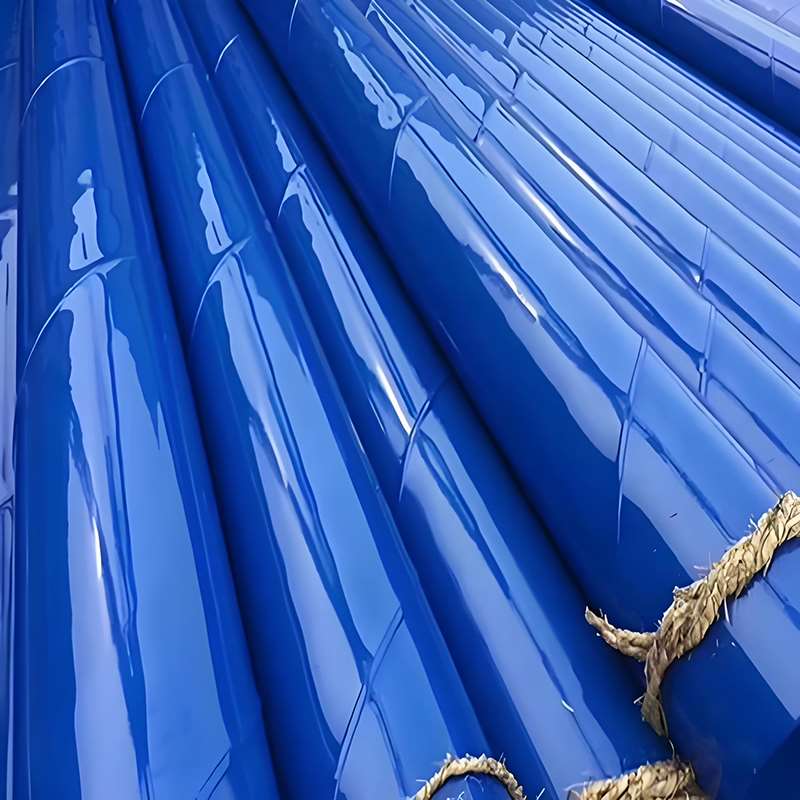
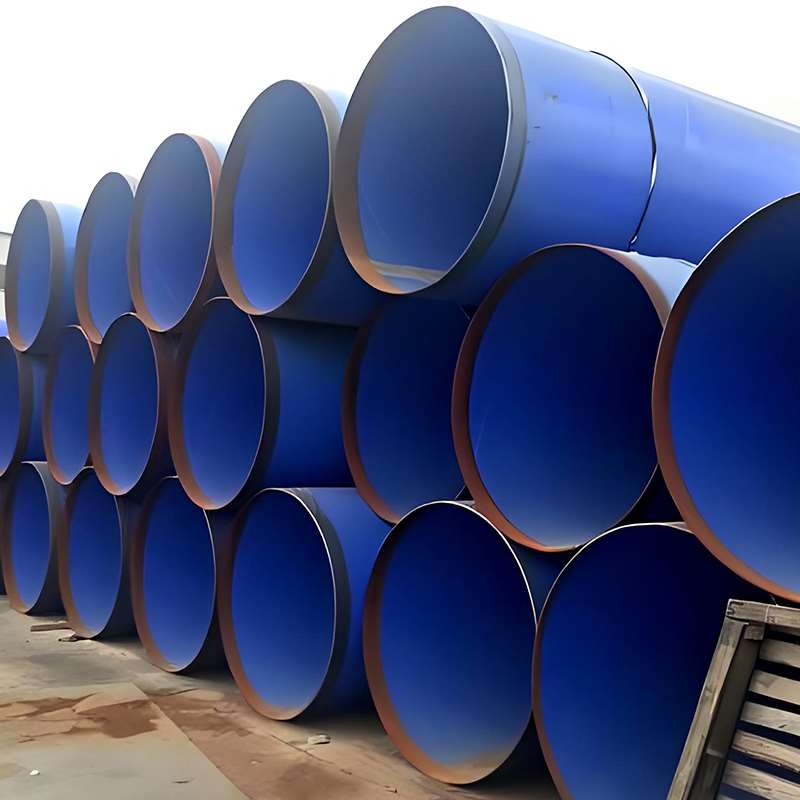
FBE (Fusion Bonded Epoxy) coating is primarily used for the corrosion protection of buried steel pipelines. Its core function is to ensure long-term stable operation of steel pipes in underground environments while significantly reducing maintenance and replacement costs caused by corrosion.
In practical applications, FBE coating can:
- Effectively isolate moisture and oxygen in the soil, reducing the likelihood of corrosion
- Form a strong and durable protective layer that is not easily damaged during construction or backfilling
- Bond tightly with the steel substrate, ensuring long-term adhesion without peeling or detachment
- Perform reliably under cathodic protection systems with excellent resistance to coating disbondment
- Adapt to complex underground environments such as humid, saline, and alkaline soils, significantly extending pipeline service life
Therefore, FBE coating is not merely a “protective film,” but a critical anti-corrosion solution that ensures the long-term safe operation of buried steel pipelines.
III. Application Scenarios of Underground FBE Coated Steel Pipes in Water Systems
In water system engineering, pipelines are responsible not only for water transmission but also directly affect water supply safety, operational stability, and lifecycle maintenance costs. Due to its excellent corrosion resistance and long-term stability, FBE-coated steel pipe is widely used across various water-related applications.
1. Municipal Water Supply Systems
In urban potable water distribution networks, pipelines are typically buried underground and exposed to moist soil for extended periods.
FBE-coated steel pipes can:
- Prevent corrosion caused by groundwater and surrounding soil
- Reduce leakage risk and improve water supply reliability
- Minimize road excavation and repair frequency, thereby lowering municipal maintenance costs
2. Sewage and Drainage Systems
Wastewater contains acidic and alkaline substances, organic matter, and other corrosive media, making it highly aggressive to pipelines.
The benefits of FBE coating include:
- Enhanced resistance to chemical corrosion
- Reduced risk of perforation caused by internal and external corrosion
- Extended service life of sewage and drainage networks
3. Industrial Circulating Water Systems
In industrial cooling and circulating water systems, water quality is often complex and may contain chemical additives or impurities.
FBE-coated steel pipes help to:
- Reduce scaling and corrosion issues
- Maintain long-term stable pipeline operation
- Decrease shutdowns and maintenance frequency
4. Long-Distance Water Transmission Projects
Such as inter-regional water diversion projects or large-scale water supply pipelines, which require extremely high service life and reliability.
Key advantages of FBE coating include:
- Long-term stable protection suitable for large-scale buried installation
- Reduced maintenance complexity during operation
- Improved overall engineering reliability
5. Groundwater and Water Intake Systems
In groundwater extraction and transmission systems, water may contain minerals or mildly corrosive components.
FBE-coated steel pipes can:
- Mitigate the corrosive effects of mineral content
- Extend pipeline service life
- Maintain stable and reliable water transmission performance
IV. Soil Corrosion Protection Mechanism
In buried environments, steel pipes are highly susceptible to corrosion caused by the combined effects of moisture, oxygen, and chemical components in the soil. FBE coating provides long-term and stable protection through multiple corrosion prevention mechanisms.
1. Physical Barrier Protection
FBE coating forms a continuous and dense protective layer on the surface of the steel pipe, effectively blocking direct contact between moisture, oxygen, and corrosive media and the steel substrate. This significantly reduces the initiation of corrosion at the source.
2. Strong Chemical Stability
Epoxy materials possess excellent chemical stability and are not easily degraded by acidic, alkaline substances, or salts present in the soil. This allows the coating to maintain stable performance over long-term exposure to complex underground environments.
3. Synergy with Cathodic Protection Systems
When used in combination with cathodic protection systems, FBE coating helps reduce the electrochemical activity of the steel surface and minimizes the concentration of corrosion current, thereby improving the overall reliability of the anti-corrosion system.
V. Long-Term Performance Analysis
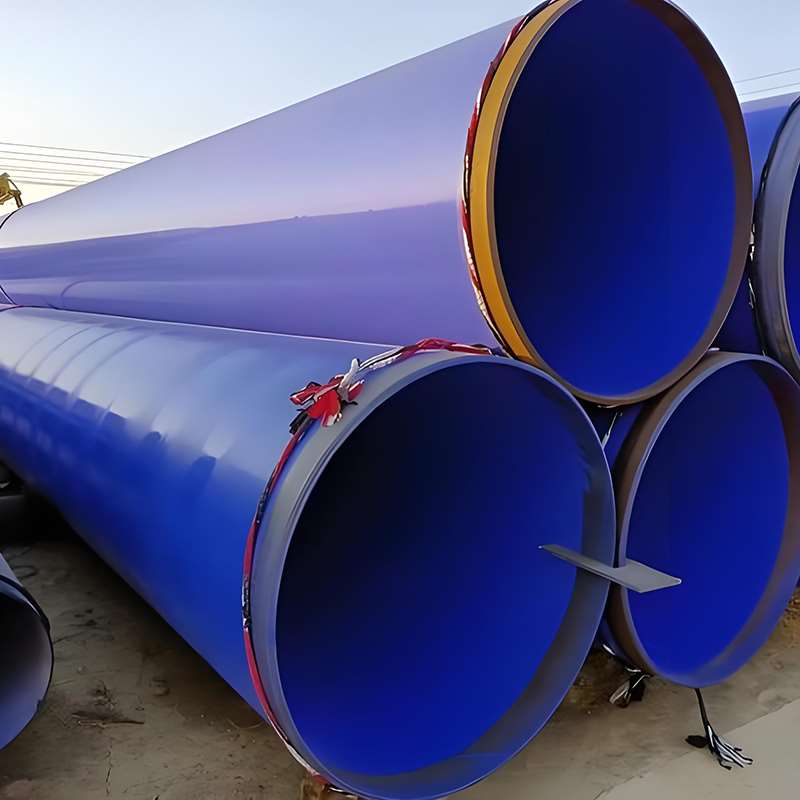
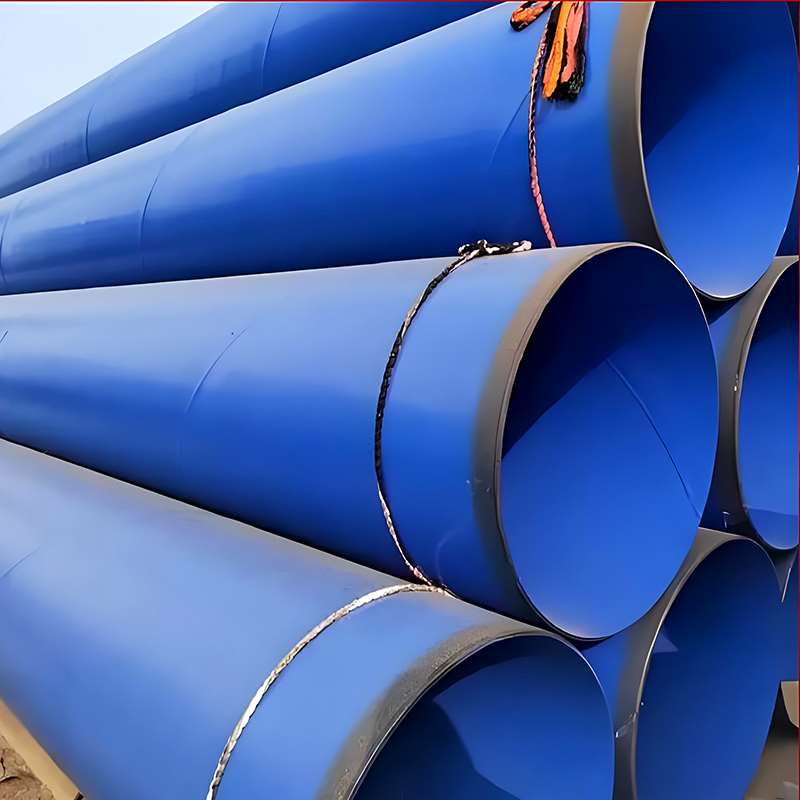
Under proper installation and normal buried service conditions, FBE-coated steel pipelines typically achieve a service life of 20–50 years, and in some favorable environments, even longer.
The long-term performance is primarily influenced by the following key factors:
1. Coating Quality and Uniformity
The uniformity of coating thickness and the presence of defects such as pinholes or weak spots directly affect the protective performance. High-quality coating ensures continuous and stable barrier protection.
2. Surface Preparation Quality
The degree of surface cleaning and rust removal prior to coating application (e.g., Sa2.5 surface preparation standard) determines the bonding strength between the coating and the steel substrate. It is a critical foundation for long-term adhesion performance.
3. Soil Environmental Conditions
Moisture content, salinity, and chemical aggressiveness of the surrounding soil significantly influence long-term corrosion resistance. More complex soil conditions require higher coating performance.
4. Construction and Handling Protection
During transportation, lifting, and backfilling, mechanical damage to the coating may create localized corrosion points, which can negatively impact overall service life.
5. Synergy with Cathodic Protection Systems
In long-distance buried pipeline networks, FBE coating is typically used in combination with cathodic protection systems, further reducing corrosion risk and extending overall service life.
VI. FBE vs 3PE Comparison Table
| Item | FBE Coating | 3PE Anti-Corrosion Coating |
|---|---|---|
| Structure | Single-layer epoxy | Three-layer system (epoxy + adhesive + PE) |
| Impact Resistance | Moderate | Higher |
| Corrosion Resistance | Excellent | Superior |
| Cost | Lower | Higher |
| Suitable Environment | General soil conditions | Harsh and highly corrosive environments |
| Repair Difficulty | Relatively easy | More complex |
VII. FAQ – Underground FBE Coated Steel Pipe
Q1: What is an underground FBE coated steel pipe?
An underground FBE coated steel pipe refers to a steel pipe that is coated with a Fusion Bonded Epoxy (FBE) anti-corrosion layer on the external surface and is designed for buried pipeline systems.
Its main functions are to:
- Prevent corrosion caused by soil, moisture, and oxygen
- Extend pipeline service life
- Reduce long-term maintenance and replacement costs
It is widely used in municipal, oil & gas, petrochemical, and water conservancy underground pipeline projects.
Q2: In which underground environments is FBE coated steel pipe suitable?
FBE coated steel pipes are suitable for most conventional buried environments, including:
- Normal soil conditions
- Moist underground environments
- Urban pipeline networks
- Mild saline-alkali soil areas
However, in extremely corrosive environments (such as severe seawater exposure or high-salinity, high-humidity industrial zones), it is generally recommended to combine the system with cathodic protection or use a 3PE anti-corrosion structure.
Q3: What is the service life of FBE coated steel pipes?
Under proper installation and normal operating conditions, the service life of FBE coated steel pipes is typically 20–50 years.
Key factors affecting service life include:
- Coating uniformity and integrity
- Damage to the coating during transportation and installation
- Soil corrosivity
- Whether cathodic protection is applied
Q4: Will the FBE coating peel off or fail underground?
Under normal conditions, high-quality FBE coating is not easy to peel off because it is bonded to the steel surface through high-temperature fusion, rather than simple adhesion.
However, performance may be affected in the following situations:
- Inadequate surface preparation before coating
- Mechanical damage during handling or installation
- Impact from hard materials during backfilling
Therefore, proper construction practices are essential.
Q5: What is the difference between FBE coated steel pipes and ordinary anti-corrosion Spiral steel pipes?
The main differences lie in corrosion resistance and service life:
- Ordinary coated steel pipes: limited protection performance, suitable for short-term or mild environments
- FBE coated steel pipes: dense structure with strong adhesion, suitable for long-term buried applications
In long-term underground pipeline systems, FBE coated pipes offer better stability and cost efficiency.
Q6: Is cathodic protection still required when using FBE coated steel pipes?
In most long-distance buried pipeline systems, FBE coating is typically used together with a cathodic protection system.
The reason is:
- The coating acts as a barrier, isolating corrosive media
- Cathodic protection suppresses electrochemical corrosion
The combination of both significantly enhances the overall corrosion protection level and is widely used in long-distance or high-reliability engineering projects.
]]>I. Technical Principle of FBE (Fusion Bonded Epoxy)
FBE (Fusion Bonded Epoxy) anti-corrosion coating is a protective technology in which epoxy powder is permanently bonded to the surface of steel pipe through high-temperature fusion.
The core principle is as follows: after the steel pipe is heated, epoxy powder is electrostatically sprayed onto the metal surface. Under heat, the powder melts rapidly, flows evenly, and undergoes a chemical cross-linking reaction, ultimately forming a dense and highly durable anti-corrosion coating.
The FBE coating effectively isolates the steel surface from:
- Moisture
- Oxygen
- Salts
- Chemical corrosive media
This prevents electrochemical corrosion of the steel pipe.
Key characteristics of FBE coating include:
- Excellent adhesion to steel substrate
- Strong resistance to chemical corrosion
- Good cathodic disbondment resistance
- Uniform coating thickness
- Long service life
Because of these advantages, FBE is widely used for external corrosion protection of oil & gas pipelines and industrial fluid transmission systems.
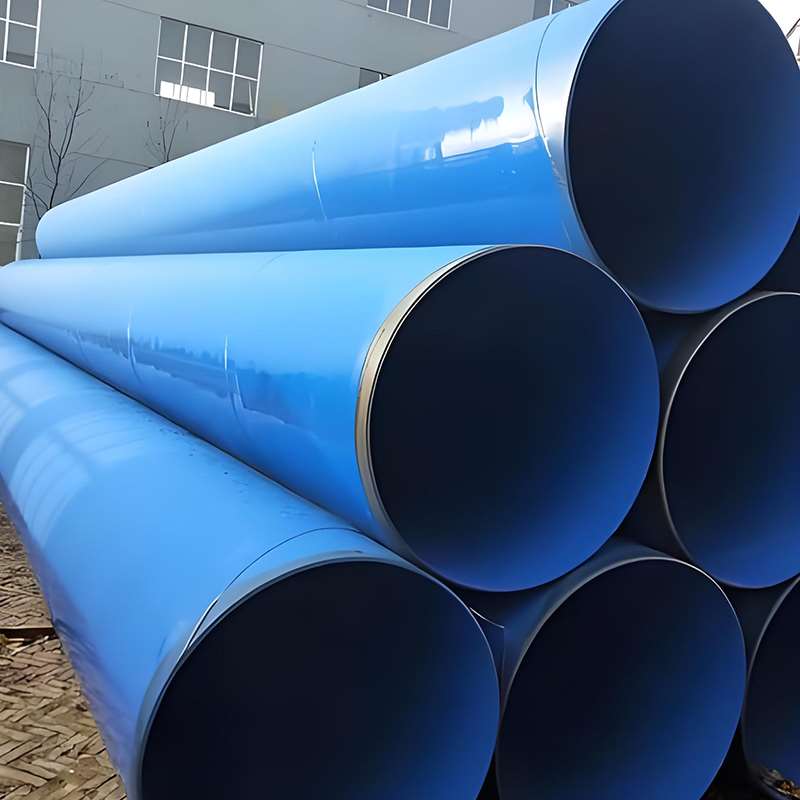
.jpg)
II. Electrostatic Spraying Process of FBE Spiral Steel Pipe
The FBE (Fusion Bonded Epoxy) electrostatic spraying process is one of the most critical anti-corrosion technologies used in long-distance pipelines, municipal pipeline networks, and high-pressure transmission systems.
Due to the continuous spiral weld seam of spiral steel pipes, the requirements for heat control and coating uniformity are higher compared with seamless pipes.
Core Manufacturing Process:
1. Surface Preparation (Shot Blasting)
After entering the production line, the steel pipe is preheated to remove moisture, followed by surface cleaning using a high-intensity shot blasting machine.
The surface cleanliness must reach Sa2.5 grade, and the anchor profile (surface roughness) should be controlled at 40–100 μm. This step is critical to ensure strong mechanical adhesion of the FBE coating.
After blasting, the surface dust is removed using dry compressed air.
2. Medium-Frequency Induction Heating
The cleaned spiral steel pipe then enters a medium-frequency induction heating furnace for rapid heating.
The curing temperature for FBE powder typically requires the pipe surface temperature to reach 180°C – 230°C, adjusted precisely according to the curing curve provided by the powder manufacturer.
Since spiral weld areas may have slight variations in thickness or geometry, uniform heating across the entire pipe surface must be strictly controlled.
3. Electrostatic Spraying (Core Film Formation)
The heated steel pipe passes through the coating chamber at a controlled rotation and conveying speed.
Electrostatic spray guns charge the epoxy powder negatively, while the grounded steel pipe acts as the positive electrode. Under the electrostatic field, the powder is evenly attracted to the outer surface of the pipe.
Because the pipe surface temperature is around 200°C, the powder melts instantly upon contact, flows smoothly, and begins to gel and cross-link.
4. Curing and Cooling
After spraying, the coating is allowed to flow out and cure in air for a short period (usually several tens of seconds), ensuring full cross-linking of the epoxy resin.
The pipe then enters a water-cooling section, where its temperature is reduced to below 100°C, allowing the coating to fully solidify and lock in its physical and chemical properties.
5. Online Inspection and End Treatment
After cooling, the coating is subjected to online holiday (spark) testing to ensure coating integrity. The typical test voltage for single-layer FBE is 2,500V, ensuring no pinholes, bubbles, or coating defects.
Finally, both pipe ends are ground and left uncoated (typically 50–150 mm bare steel) to facilitate field welding and pipeline joint connection.
Process Flow Overview
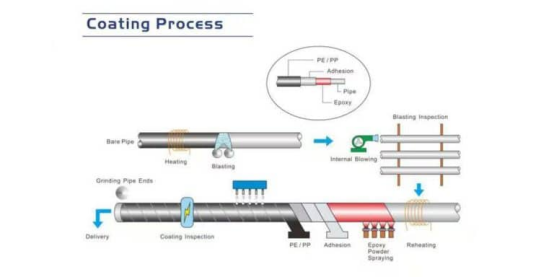
The coating process includes the full closed-loop production flow:
Bare Pipe → Heating → Shot Blasting → Reheating → Electrostatic Epoxy Powder Spraying → Curing → Cooling → Inspection → End Beveling & Bare End Treatment.
III. FBE vs 3PE Coating Comparison Table
| Comparison Item | FBE (Fusion Bonded Epoxy) | 3PE (Three-Layer Polyethylene) |
|---|---|---|
| Coating Structure | Single-layer epoxy powder coating | Three-layer system (FBE primer + adhesive layer + PE outer layer) |
| Corrosion Protection Mechanism | Dense epoxy layer provides barrier protection against moisture and oxygen | Multi-layer composite system combining barrier protection and mechanical shielding |
| Adhesion Strength | Very strong, forms chemical bond directly with steel substrate | Strong, relies on FBE primer and adhesive layer |
| Mechanical Impact Resistance | Moderate, more vulnerable to external damage | Excellent, suitable for harsh construction and handling conditions |
| Chemical Resistance | Excellent, especially in chemically aggressive environments | Good, but slightly lower chemical stability compared to pure FBE |
| Temperature Resistance | Good, suitable for medium to high-temperature service | Moderate, PE outer layer performance decreases at elevated temperatures |
| Application Environment | Buried pipelines, oil & gas transmission, water pipeline systems | Long-distance pipelines, severe soil conditions, offshore/subsea pipelines |
| Installation Requirements | Relatively simple application process | More complex process requiring multi-layer extrusion coating |
| Cost | Relatively lower | Higher |
| Service Life | Long-term corrosion protection (depends on application quality) | Longer service life, ideal for heavy-duty anti-corrosion projects |
IV. Industrial Application Scope of FBE Spiral Steel Pipe
1. Soil Conditions: Highly Corrosive and High Groundwater Environments
Applicable conditions: saline-alkali land, swamp areas, coastal tidal flats, or underground soil near chemical plants.
Environmental characteristics:
Soil has high acidity/alkalinity, long-term moisture saturation, and the presence of stray currents underground, leading to severe electrochemical corrosion.
Why FBE is selected:
FBE offers excellent cathodic disbondment resistance and outstanding electrical insulation performance. It acts like a tightly sealed “protective armor,” effectively blocking moisture, acids, and alkalis from penetrating the steel surface.
2. Fluid Medium: Large-Diameter Water Transmission and Wastewater Systems
Applicable conditions: municipal water supply trunk lines, industrial circulating water pipelines, and sewage discharge networks.
Environmental characteristics:
The inner pipe wall is exposed to long-term high-velocity water flow erosion, and wastewater may contain corrosive gases such as hydrogen sulfide (H?S).
Why FBE is selected:
A non-toxic FBE lining applied to the internal surface provides an ultra-smooth, almost mirror-like finish. This not only prevents scaling and fouling but also reduces hydraulic friction and energy consumption. Meanwhile, the external coating ensures reliable protection against complex underground environments.
3. Temperature Conditions: 80°C – 115°C Heat Transfer Applications
Applicable conditions: refinery process pipelines, chemical plant piping systems, and circulating hot water lines in thermal power plants.
Environmental characteristics:
The transported media (oil or water) operates at elevated temperatures.
Why FBE is selected:
Conventional polymer coatings such as polyethylene (PE) begin to soften and fail above approximately 60°C. In contrast, FBE is a thermosetting material with inherent high-temperature resistance. Standard formulations can withstand up to 80°C, while modified grades can perform reliably at temperatures above 115°C.
4. Geographic Conditions: Coastal and Marine Engineering with High Salt Exposure
Applicable conditions: coastal steel pipe piles at ports, seawater intake pipelines for offshore platforms, and marine infrastructure systems.
Environmental characteristics:
The pipeline operates in a harsh splash zone with alternating wet and dry cycles, exposed to high concentrations of chloride ions in both air and seawater.
Why FBE is selected:
Epoxy powder coatings naturally resist chloride ion penetration. When combined with dual-layer FBE (DFBE) technology, the system provides enhanced protection against salt-laden marine air and also withstands moderate mechanical abrasion during piling and installation processes.
V. Advantages and disadvantages of FBE spiral welded steel pipe technology
| Dimension | Technical Advantages (Why It Is Chosen) | Core Limitations (Critical Drawbacks) |
|---|---|---|
| Chemical & Corrosion Resistance | Strong adhesion: Chemical bonding with the steel substrate results in extremely high adhesion strength, effectively integrating the coating with the pipe body. Excellent cathodic disbondment resistance: When used with cathodic protection systems in buried environments, it delivers industry-leading resistance to coating disbondment. Outstanding chemical resistance: Naturally resistant to acids, alkalis, salts, and chloride ions in seawater. | Poor UV resistance (weathering weakness): Not suitable for long-term outdoor exposure. Epoxy resin tends to chalk under sunlight, leading to coating degradation and loss of protective performance. |
| Mechanical Performance | 100% full coverage coating: Electrostatic spraying ensures complete encapsulation of the pipe surface, including spiral weld seams, leaving no coating voids or weak spots. | Low scratch resistance: The coating is relatively thin and brittle. During handling, transportation, or backfilling with rocky soil, it is easily scratched and may expose the steel substrate. |
| Temperature & Installation | Medium-temperature resistance: Compared with 3PE coatings (which soften around 60°C), standard FBE can withstand service temperatures of approximately 80°C–90°C. Fast field joint coating: After girth welding, field joints can be easily repaired using two-component liquid epoxy (liquid FBE), making on-site application convenient and efficient. | Limited high-temperature resistance: When the operating temperature exceeds 115°C for prolonged periods, the coating may undergo thermal degradation and become brittle, or shift into a rubbery state, resulting in coating failure. |
VI. FAQ – FBE Spiral Steel Pipe
Q1: What engineering applications are FBE Coated spiral steel pipes used for?
FBE spiral steel pipes are mainly used in buried pipeline projects with high anti-corrosion requirements, such as oil and gas transmission, municipal water supply and drainage systems, and industrial pipeline networks. They are well-suited for long-distance transportation and complex soil conditions, effectively extending pipeline service life and reducing maintenance costs.
Q2: How effective is the corrosion protection performance of FBE coating?
FBE coating provides excellent anti-corrosion performance. It forms a dense protective layer through fusion-bonded epoxy powder, effectively isolating moisture, oxygen, and corrosive media. It is particularly suitable for underground applications and performs reliably in normal soil and moderately corrosive environments.
Q3: What is the difference between FBE spiral steel pipe and ordinary spiral steel pipe?
The main difference is the presence of a corrosion protection coating. Ordinary spiral steel pipes consist only of bare steel and are prone to corrosion. In contrast, FBE spiral steel pipes are coated with an epoxy anti-corrosion layer, significantly improving corrosion resistance and service life, making them more suitable for long-term buried applications.
Q4: Is the FBE coating prone to peeling or detachment?
Under normal construction and transportation conditions, FBE coating has strong adhesion and is not easily detached. It forms a chemical bond with the steel surface through high-temperature fusion bonding. However, severe mechanical impact during handling or installation may still cause localized damage, so proper protection during construction is required.
Q5: How should FBE and 3PE anti-corrosion pipes be selected?
For highly corrosive environments or complex construction conditions (such as rocky soil or rough backfilling), 3PE is generally recommended due to its superior mechanical protection. For standard soil conditions or projects requiring strong chemical corrosion resistance, FBE is sufficient and offers a more cost-effective solution.
Q6: What is the service life of FBE spiral steel pipes?
Under proper design and standardized installation, the service life of FBE spiral steel pipes is typically over 20 years. In favorable environmental conditions, the lifespan can be even longer. The actual service life depends on soil conditions, construction quality, and operating environment.
]]>With continuously rising standards for urban drinking water quality, water supply systems are required not only to provide stable transmission capacity but also to ensure that water quality is not compromised during long-distance transportation. As a result, FBE coated steel pipes—known for their excellent anti-corrosion performance and environmentally friendly characteristics—have become one of the mainstream choices in municipal water infrastructure projects.
I. Standards and Safety Requirements for Drinking Water Pipelines
Municipal drinking water engineering is directly related to public health and water safety, which imposes extremely strict technical and hygienic requirements on pipeline systems. These projects are not only expected to “convey water,” but must also ensure that water quality remains stable, safe, and uncontaminated throughout long-term operation.
In practical engineering applications, drinking water pipelines are typically required to comply with the following standards:
1. Zero Contamination of Water Quality
The pipeline material must not release heavy metals, chemical substances, or any harmful components into the water during long-term service, thereby eliminating the risk of secondary contamination at the source.
2. Long-Term Stable Operation Capability
The pipeline system must maintain reliable performance under continuous pressure and complex operating conditions, meeting the requirements of uninterrupted urban water supply over extended service periods.
3. Resistance to Dual Environmental Conditions
The pipeline must withstand long-term internal water flow erosion while also resisting external environmental corrosion, including exposure to underground conditions such as humidity, salinity, alkaline environments, and acidic soils.
4. Compliance with International Drinking Water Safety Standards
Materials and coating systems are generally required to comply with international drinking water regulations such as NSF/ANSI 61, BS 6920, or AWWA standards, ensuring regulatory compliance and engineering safety.
II. Safety characteristics of FBE food-grade coating
| Characteristic Category | Performance | Significance for Drinking Water Systems |
|---|---|---|
| Non-Toxic & Environmentally Friendly Material | Free of heavy metals, contains no harmful solvents, does not release toxic substances | Ensures water quality safety and eliminates potential contamination sources |
| Compliance with Drinking Water Standards | Meets NSF/ANSI 61, BS 6920, and other relevant standards | Suitable for municipal drinking water distribution systems |
| High Chemical Stability | Non-reactive with water; resistant to disinfectants such as chlorine | Maintains stable water quality over long-term use |
| Prevention of Secondary Contamination | Blocks corrosion byproducts from steel, reduces bacterial growth | Prevents water contamination during transportation |
| Smooth and Dense Surface | Interior wall is even, resists scaling and microbial adhesion | Ensures smooth water flow and reduces maintenance risks |
| Long-Term Stability | Resistant to aging, cracking, or coating delamination | Supports long-term operation for 30–50 years |
III. Main Application Areas of Municipal Water Supply Systems
1. Urban Drinking Water Transmission and Distribution Networks
This is the core component of municipal water supply systems, responsible for delivering treated potable water from water treatment plants to all areas of the city.
- Urban trunk water transmission pipelines
- Regional water distribution networks
- Building and residential water service connections
2. Water Treatment Plants and Source Water Transmission Systems
These are critical transmission corridors connecting water sources, treatment plants, and urban water supply networks.
- Raw water intake pipelines at water sources
- Inlet and outlet pipelines for water treatment plants
- Long-distance raw water transmission projects
3. Urban Public Facility Water Supply Systems
These systems provide stable and reliable water supply for public service infrastructure.
- Water supply systems for hospitals and schools
- Government buildings and public facilities
- Large-scale public venues such as stadiums, airports, and railway stations
4. Industrial and Industrial Park Water Supply Systems
These systems support industrial development by ensuring a stable supply of essential water resources.
- Water distribution networks within industrial parks
- Process water supply systems for manufacturing
- Cooling water circulation and auxiliary water systems
5. Urban Emergency and Backup Water Supply Systems
Designed to ensure water supply security in emergency or unexpected situations.
- Emergency water transmission pipelines
- Firefighting water supply systems
- Backup water source allocation systems
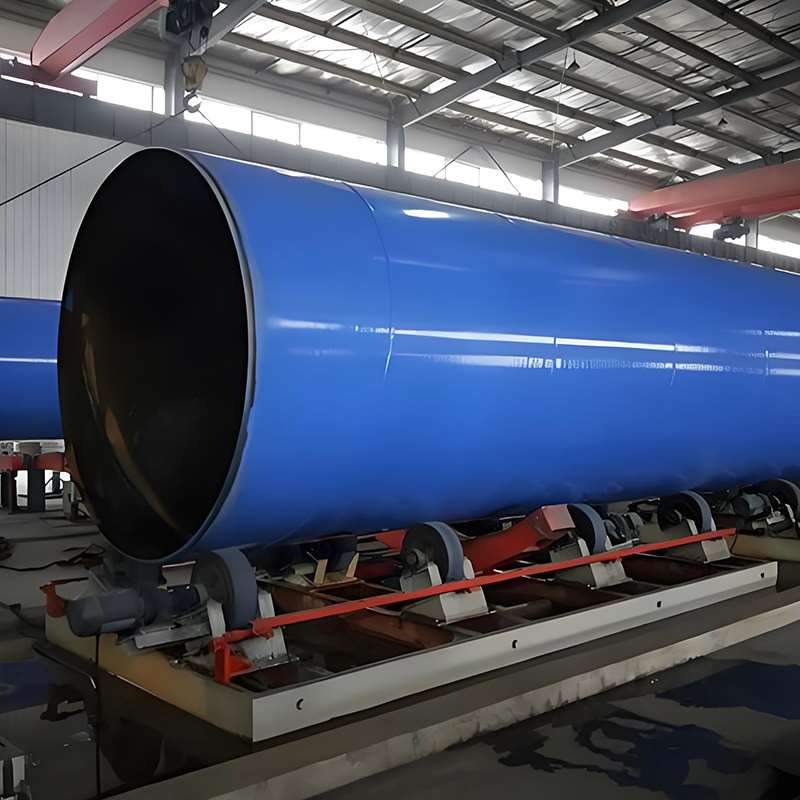
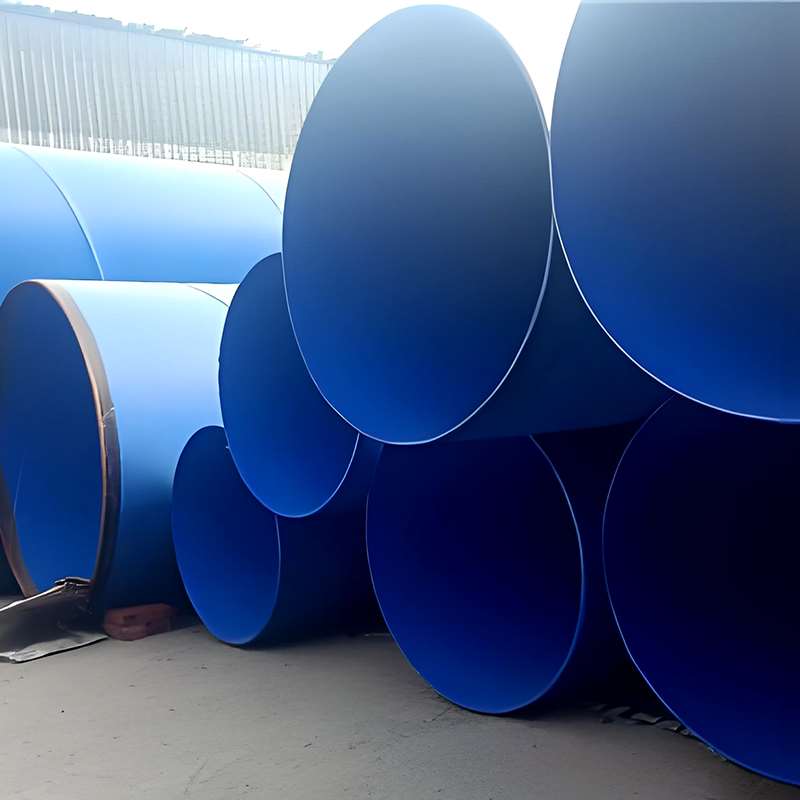
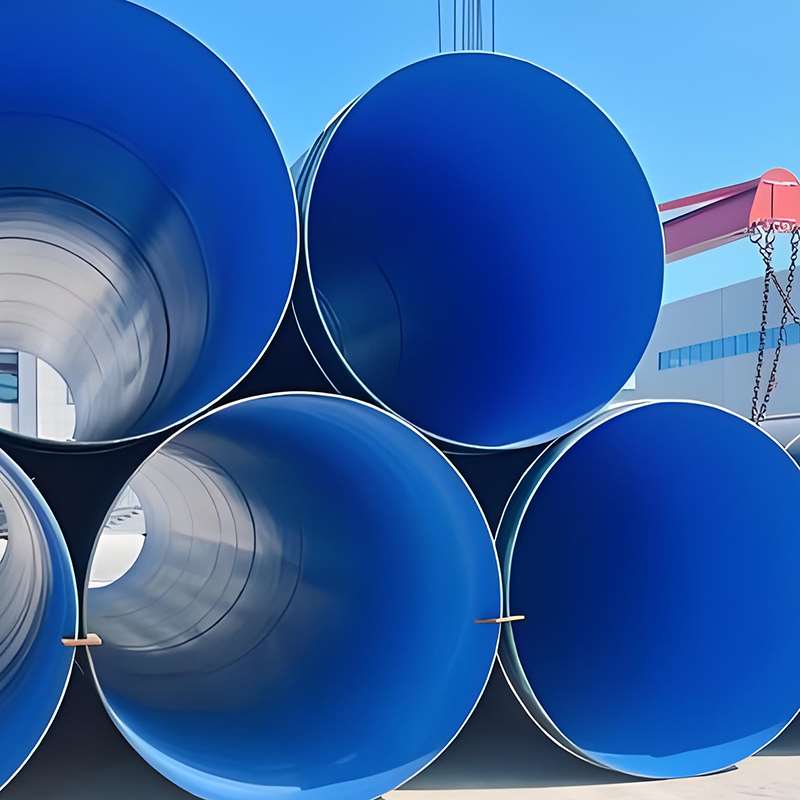
IV. FBE Coated Steel Pipe Implementation Standard
| Standard Code | Standard Name | Scope of Application | Key Content |
|---|---|---|---|
| API 5L | Line Pipe Specification | Oil & gas, water transmission pipelines | Specifies steel grades, mechanical properties, and dimensional requirements for steel pipes |
| ASTM A53 / ASTM A106 | Carbon Steel Pipe Standard | Industrial and water transmission pipelines | Applicable to general-purpose and high-temperature service steel pipes |
| ISO 21809-2 | Petroleum & Natural Gas Industries — External Coatings for Buried Pipelines | FBE external corrosion protection for buried pipelines | Defines technical requirements and testing methods for FBE external coatings |
| AWWA C213 | Fusion-Bonded Epoxy Coating for Steel Water Pipe | Municipal water supply pipelines | Standards for FBE coating of potable water steel pipes (internal and external) |
| CSA Z245.20 | Plant-Applied External FBE Coatings | Canadian pipeline corrosion protection | Factory-applied FBE coating specifications |
| DIN 30671 | Polyethylene / Epoxy Coating Standard | European corrosion-protected pipelines | Technical requirements for corrosion protection layers on buried steel pipes |
| NSF/ANSI 61 | Drinking Water System Components | Drinking water safety certification | Ensures coating materials do not contaminate potable water |
| BS 6920 | Suitability of Non-Metallic Products for Water Use | UK drinking water standard | Tests material suitability and impact on water quality |
| ISO 8501-1 | Surface Preparation Standard | Steel pipe sandblasting and rust removal | Defines surface treatment grades, e.g., Sa2.5 |
| NACE RP0394 | Coating Inspection Standard | Anti-corrosion coating quality inspection | Specifies defect detection and holiday (spark) testing methods |
Common engineering execution combinations
| Application Scenario | Commonly Applied Standards |
|---|---|
| Municipal Drinking Water Projects | API 5L + AWWA C213 + NSF/ANSI 61 |
| Buried Water Transmission Pipelines | ISO 21809-2 + ISO 8501-1 |
| Industrial Circulating Water Systems | ASTM A106 + FBE Coating Standard |
| Long-Distance Water Transmission Projects | API 5L + CSA Z245.20 |
V. Selection Guide for FBE Coated Steel Pipes for Water Pipelines
1. Conventional Municipal Water Supply Networks
Suitable operating conditions
- Urban underground water distribution along roads
- Residential water distribution systems
- General municipal potable water projects
- Areas with low soil corrosivity
Recommended specification
| Item | Recommended Specification |
|---|---|
| Steel Grade | API 5L Gr.B / X42 |
| Coating System | Single-layer FBE coating |
| Coating Thickness | 300–400 μm |
| Service Life | 30+ years |
2. High-Humidity, Saline-Alkali or Coastal Water Supply Projects
Suitable operating conditions
- Coastal city water supply systems
- Buried pipelines in saline-alkali soil areas
- Regions with high groundwater levels
- Long-term humid and aggressive soil environments
Recommended specification
| Item | Recommended Specification |
|---|---|
| Steel Grade | API 5L X52 |
| Coating System | Heavy-duty FBE or 3PE/FBE composite coating |
| Coating Thickness | 400–600 μm |
| Additional Recommendation | Cathodic protection system recommended |
3. Long-Distance Trunk Water Transmission Projects
Suitable operating conditions
- Inter-regional water diversion projects
- Large-diameter main transmission pipelines
- Water treatment plant to city supply networks
- High-pressure continuous operation systems
Recommended specification
| Item | Recommended Specification |
|---|---|
| Steel Grade | API 5L X52 / X60 |
| Coating System | High-adhesion FBE coating |
| Coating Thickness | 400–500 μm |
| Key Requirement | Excellent adhesion and impact resistance |
4. Drinking Water Projects (High Water Quality Requirements)
Suitable operating conditions
- Municipal potable water systems
- Hospitals and school water supply systems
- Food processing water supply systems
- Domestic drinking water transmission
Recommended specification
| Item | Recommended Specification |
|---|---|
| Internal Coating | Food-grade FBE internal lining |
| Standard Requirement | NSF/ANSI 61 compliant |
| Coating Features | Non-toxic, non-contaminating, chlorine-resistant |
| Recommended Steel Grade | API 5L Gr.B / X42 |
5. Industrial Parks and Circulating Water Systems
Suitable operating conditions
- Industrial cooling water systems
- Recirculating water systems
- Water transport with mild chemical media
- Continuous operation environments
| Item | Recommended Specification |
|---|---|
| Coating Type | Thick-film FBE coating |
| Coating Thickness | ≥500 μm |
| Recommended Steel Grade | API 5L X52 |
| Special Requirement | Enhanced chemical corrosion resistance |
VI. Frequently Asked Questions on FBE Coated Steel Pipe Selection
1. What type of FBE coating should be selected for municipal drinking water projects?
For urban potable water transmission, it is recommended to use food-grade FBE internal coating compliant with NSF/ANSI 61 or BS 6920 standards.
Key features of this coating include:
- Non-toxic and environmentally safe
- No release of harmful substances
- Resistant to chlorine disinfection
- Maintains stable water quality and safety
2. When is a thickened FBE coating recommended?
Projects located in the following environments should consider a thickened FBE coating:
- Coastal regions
- Saline-alkali soil areas
- High groundwater level zones
- Moist, corrosive soils
- Long-term buried water transmission pipelines
3. What steel grade is recommended for long-distance water transmission projects?
For long-distance, large-diameter, or high-pressure pipelines, the following steel grades are typically recommended:
- API 5L X52
- API 5L X60
Reasons include:
- Higher pressure resistance
- Improved deformation resistance
- Better suitability for continuous long-term operation
4. How to choose between FBE coated and 3PE coated steel pipes?
The main difference lies in the application environment:
| Type | More Suitable Operating Conditions |
|---|---|
| FBE Coated Spiral Steel Pipe | Municipal water supply, potable water systems |
| 3PE Coated Spiral Steel Pipe | High-corrosion underground oil & gas pipelines |
Notes: FBE coatings provide superior internal hygiene, making them ideal for drinking water systems. In contrast, 3PE coatings offer stronger external mechanical protection, making them better suited for complex buried environments.
5. Is thicker FBE coating always better?
Not necessarily. While an insufficient coating reduces corrosion protection and service life, excessively thick coatings may increase:
- Risk of cracking
- Material and construction costs
- Installation difficulty
Typical recommendations:
- Standard water supply: 300–400 μm
- Highly corrosive environments: 400–600 μm
6. How to verify the quality of FBE coated steel pipes?
During procurement, focus on the following checks:
- Compliance with API 5L standard
- Availability of drinking water certification
- Surface preparation meeting Sa2.5 sandblasting
- Holiday (spark) testing performed
- Uniform coating thickness
- Adhesion test reports provided
High-quality FBE coatings typically exhibit:
- Smooth and dense surface
- No pinholes
- Strong adhesion
- Resistant to peeling or blistering
These factors directly impact the long-term service life of the pipeline.
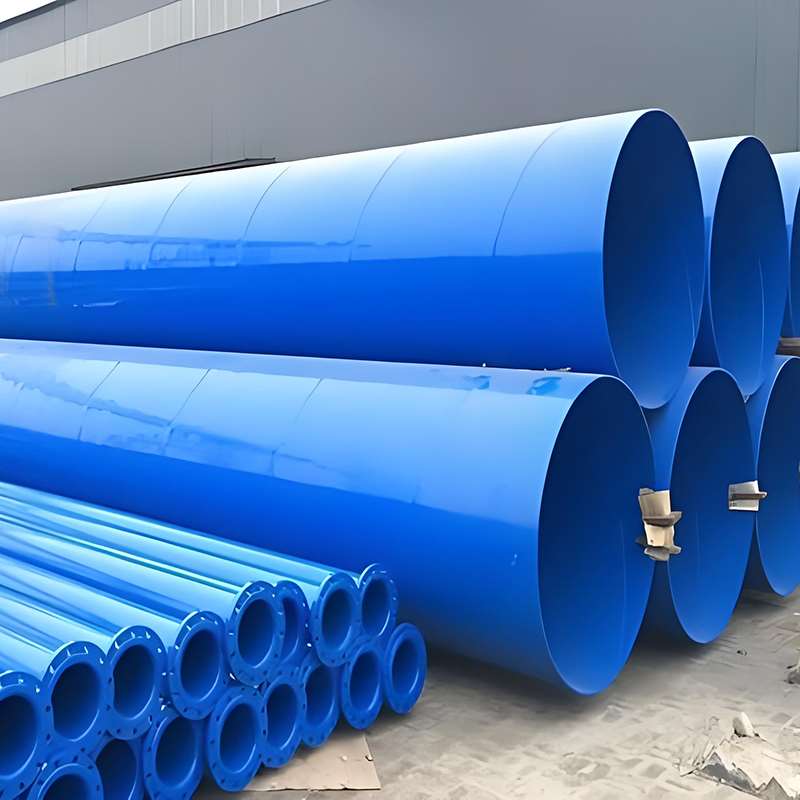
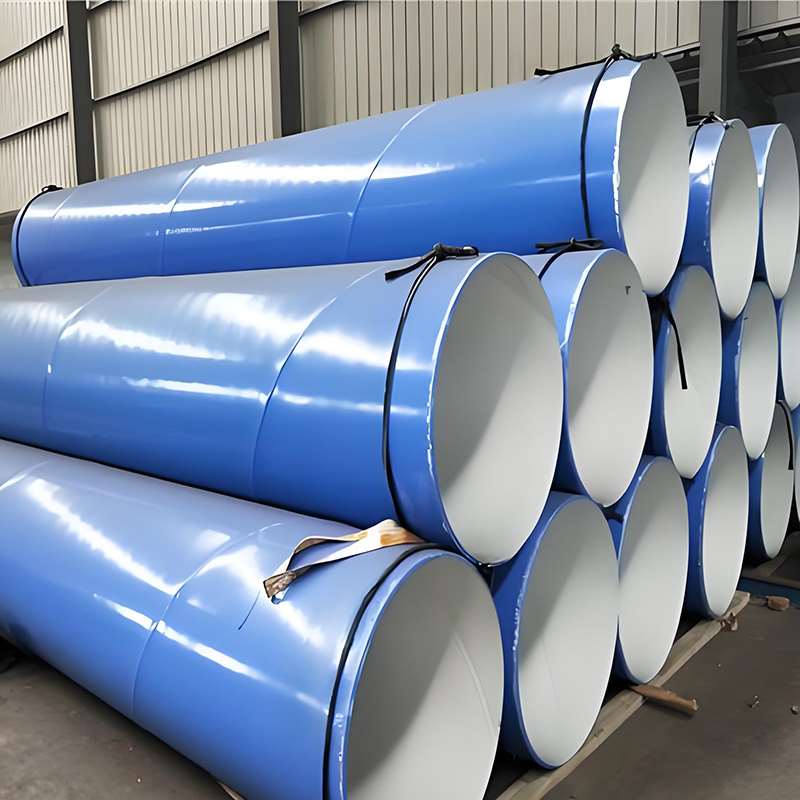
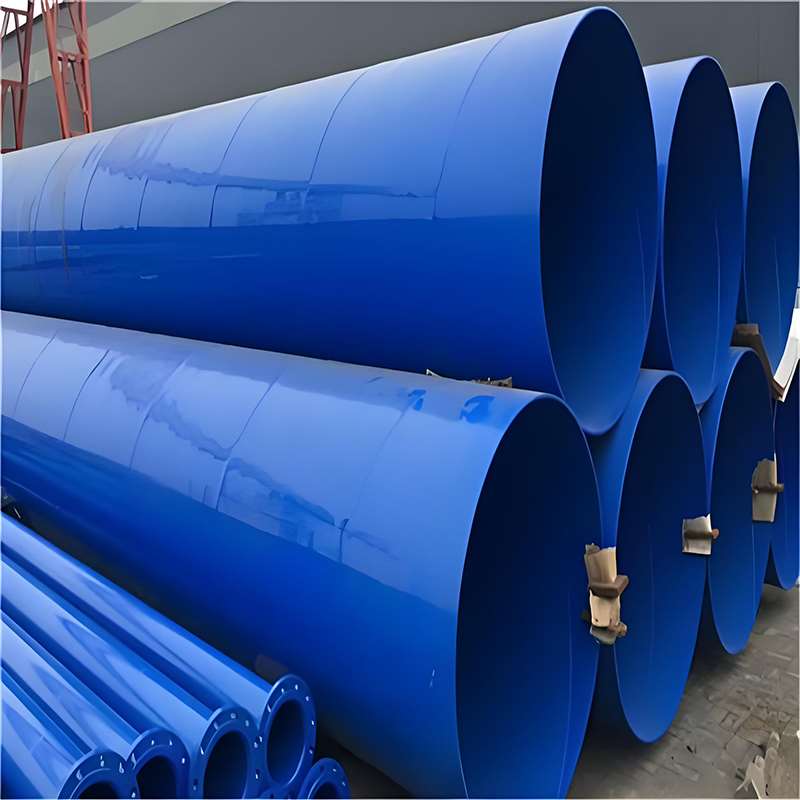
]]>API 5L X52 FBE Coated Spiral Steel Pipe is a spiral welded steel pipe manufactured from X52 line pipe steel in accordance with the API Spec 5L standard and protected with an FBE (Fusion Bonded Epoxy) anti-corrosion coating on the external and/or internal surface.
In the API 5L grading system:
- “X” designates line pipe steel intended for oil, gas, water, and other fluid transmission applications.
- “52” indicates a minimum yield strength of 52,000 psi, which is equivalent to approximately 360 MPa.
For this reason, under the ISO 3183 standard, API 5L X52 is also designated as L360.
Combining the mechanical strength of X52 grade steel with the excellent corrosion resistance of FBE coating, API 5L X52 FBE coated spiral steel pipe is widely used in oil and gas transmission pipelines, water supply systems, wastewater treatment projects, and other infrastructure applications requiring long-term corrosion protection and reliable service performance.
Chemical Composition of API 5L X52 Spiral Steel Pipe
| Element | Content (%) |
|---|---|
| C (Carbon) | ≤ 0.22 |
| Mn (Manganese) | ≤ 1.40 |
| P (Phosphorus) | ≤ 0.025 |
| S (Sulfur) | ≤ 0.015 |
| Si (Silicon) | ≤ 0.45 |
| Nb (Niobium) | ≤ 0.05 |
| V (Vanadium) | ≤ 0.10 |
| Ti (Titanium) | ≤ 0.04 |
Mechanical Properties of API 5L X52 Spiral Steel Pipe
| Property | Value |
|---|---|
| Minimum Yield Strength | 52,000 psi (≈360 MPa) |
| Minimum Tensile Strength | 66,700 psi (≈460 MPa) |
| Elongation | ≥ 20% |
| Impact Toughness | Available upon project requirements |
| Weldability | Good |
| Service Temperature | Ambient to low-medium temperature environments |
| Applicable Standards | API 5L / ISO 3183 |
II. Definition and Features of FBE Coating
In the corrosion protection system of API 5L X52 FBE Coated Spiral Steel Pipe, FBE (Fusion Bonded Epoxy) is a widely applied anti-corrosion solution for water supply, oil & gas, municipal pipeline networks, and buried pipelines. It is highly valued for its long service life, excellent adhesion, and environmentally friendly performance.
Compared with traditional anti-corrosion methods, FBE coating not only protects steel pipes from soil and moisture-induced corrosion but also enhances long-term operational stability in harsh and complex environments.
1. What Is FBE Coating?
FBE (Fusion Bonded Epoxy powder) is a thermosetting powder coating that, when heated, melts and chemically bonds to the steel surface, forming a durable and tightly adherent protective layer.
This coating provides a reliable barrier against corrosion, mechanical damage during handling and installation, and ensures pipeline longevity in demanding service conditions.
Its production process mainly includes the following steps:
| Process Step | Description |
|---|---|
| Surface Preparation | Abrasive blasting of X52 spiral steel pipe to remove rust and enhance coating adhesion |
| Pipe Preheating | Heating the steel pipe to 180°C–230°C |
| Electrostatic Powder Spraying | Evenly applying the epoxy powder onto the pipe surface using electrostatic spray |
| Fusion Curing | Rapid melting of the powder to form a dense, tightly adherent anti-corrosion layer |
Unlike ordinary paint, FBE is not simply “covered” on the surface of steel pipes, but forms a continuous, strong and highly adhesive anti-corrosion layer through a high-temperature cross-linking reaction.
2. Key Features of FBE Coating
A. Excellent Corrosion Resistance
FBE coating effectively isolates the steel surface from moisture, oxygen, salts, and chemical agents, providing robust long-term protection against underground corrosion. In typical buried pipeline environments, the coating’s service life can reach 30–50 years.
B. Strong Adhesion and Low Risk of Delamination
FBE forms a permanent bond with the steel surface through high-temperature fusion, making it highly resistant to blistering, peeling, or delamination during transportation, lifting, and installation. This property is particularly critical for long-distance water transmission pipelines.
C. Good Cathodic Disbondment Resistance
FBE coating is compatible with cathodic protection systems. Even if minor local damage occurs, corrosion is unlikely to propagate beneath the coating, ensuring the overall structural integrity of API 5L X52 steel pipes.
D. Adaptability to Harsh Environments
FBE coating demonstrates excellent thermal stability, suitable for operating temperatures from -30°C to 100°C. Its mechanical properties remain stable under soil settlement, temperature fluctuations, and underground pressure, making it reliable for complex field conditions.
E. Smooth Internal Surface Reducing Flow Resistance
Once cured, the FBE surface is smooth, which reduces hydraulic resistance and enhances transport efficiency. For municipal water supply and drinking water systems, this also minimizes scaling and microbial adhesion risks.
III. Why Are Water Supply Projects Paying Increasing Attention to Environmental Protection and Corrosion Safety of Pipelines?
In potable water transmission systems, pipelines are not only responsible for conveying water; they are directly linked to water supply safety, public health, and the long-term stability of municipal distribution networks.
In the past, pipeline selection was primarily driven by mechanical strength and initial cost considerations. However, modern municipal engineering projects place much greater emphasis on the following factors:
- Whether the pipeline may affect or contaminate water quality
- Whether the pipeline provides long-term corrosion protection
- Whether lifecycle maintenance costs are economically sustainable
- Compliance with environmental and sanitary standards
- Whether the pipeline network can operate reliably for 30+ years
This shift in focus is driven by the fact that buried water pipelines are continuously exposed to moisture, saline soils, and mildly acidic or alkaline underground environments. When corrosion protection is insufficient, steel pipes are prone to rusting, perforation, and leakage.
Once internal corrosion becomes severe, it may lead to the following issues:
| Potential Issue | Impact on Water Transmission System |
|---|---|
| Pipeline corrosion | Deterioration of water quality, affecting drinking water safety |
| Internal scaling | Reduced flow efficiency and increased energy consumption |
| Pipeline leakage | Water resource loss and higher maintenance costs |
| Localized perforation due to corrosion | Compromised supply stability |
| Degradation or detachment of protective coating | Shortened overall service life of the pipeline |
IV. Application Areas of API 5L X52 FBE Coated Spiral Steel Pipe
1. Municipal Water Supply and Distribution Networks
In urban water supply systems, pipelines are buried underground and are susceptible to soil-induced corrosion and water quality fluctuations.
Advantages of using FBE coated spiral steel pipes:
- Prevents pipeline corrosion and water contamination
- Reduces leakage rates, improving supply reliability
- Complies with drinking water hygiene and safety standards
- Supports long-term operation with a design service life of 30–50 years
2. Long-Distance Water Transfer Projects
Inter-regional water transfer projects often involve long pipelines under high pressure, requiring exceptional pipeline stability.
Key benefits of API 5L X52 FBE spiral pipes:
- X52 grade steel provides strong pressure-bearing capacity
- FBE coating minimizes long-term corrosion risks
- Reduces maintenance and inspection frequency along the pipeline
- Enhances overall water transfer efficiency
3. Industrial Water Supply Systems
Industrial water often contains chemical constituents that demand higher corrosion resistance.
Application advantages:
- Excellent resistance to chemical media
- Suitable for circulating water and cooling water systems
- Minimizes scaling and reduces the risk of pipeline blockage
4. Reclaimed Water and Environmental Water Systems
Reclaimed water systems require strict environmental compliance and contamination prevention.
FBE coating benefits include:
- Solvent-free structure that does not contaminate water
- Smooth internal surface reducing microbial adhesion
- Compliant with environmentally friendly water transmission standards
V. Comparison Between FBE and 3PE Anti-Corrosion Coatings
| Property | FBE Coating | 3PE Coating |
|---|---|---|
| Structure | Single-layer epoxy powder | Three-layer composite structure |
| Typical Applications | Municipal and potable water pipelines | Oil & gas transmission pipelines |
| Corrosion Resistance | Good | Superior |
| Environmental Friendliness | More environmentally friendly | Industrial-grade |
| Cost | Lower | Higher |
Selection Recommendations:
- FBE: Suitable for drinking water, municipal engineering, and environmental protection projects
- 3PE: Suitable for oil and gas, highly corrosive, and high-impact environments
VI. Inspection and Testing Standards for API 5L X52 FBE Coated Spiral Steel Pipe
| Inspection Item | Standard / Method | Purpose | Requirement |
|---|---|---|---|
| Chemical Composition Analysis | API 5L / ISO 3183 / Spectrometry | Verify that steel meets X52 grade requirements | Elements such as C, Mn, P, S must be within standard limits |
| Mechanical Property Test | API 5L / Tensile Test | Verify strength and toughness | Yield strength ≥ 360 MPa, tensile strength ≥ 460 MPa |
| Impact Test | Charpy V-Notch | Assess low-temperature toughness | Conduct according to project-specific temperature requirements |
| Dimensional Inspection | ISO 4200 / GB Standards | Ensure pipe dimensional accuracy | Outer diameter, wall thickness, and ovality must meet tolerance |
| Weld Seam Nondestructive Testing | UT / RT (Ultrasonic / Radiographic) | Check weld quality | No cracks, lack of fusion, or other defects allowed |
| Hydrostatic Test | API 5L / Pressure Test | Verify pressure resistance and sealing | No leakage or deformation permitted |
| Visual Inspection | Visual Examination | Check surface quality | No significant scratches, dents, or oxidation |
| FBE Coating Thickness | ASTM D7091 / Electromagnetic Thickness Measurement | Ensure anti-corrosion layer thickness | Typically ≥ 300 μm (per design specification) |
| FBE Adhesion Test | ASTM D4541 (Pull-Off Method) | Measure coating bond strength | No peeling or delamination allowed |
| Holiday Detection | Holiday Test / Spark Test | Check coating integrity | No holidays (defects) permitted |
| Cathodic Disbondment Test | ASTM G8 / G42 | Evaluate long-term corrosion protection | Coating should not delaminate over a large area |
| Packaging & Marking | API 5L Requirements | Ensure traceability | Clear markings with complete batch information |
VII. Frequently Asked Questions
Q1: Is API 5L X52 FBE Coated Spiral Steel Pipe suitable for potable water transmission?
A: Yes.
For drinking water systems, the key requirements are no water contamination and long-term operational stability.
The X52 steel grade provides sufficient mechanical strength, while the FBE (Fusion Bonded Epoxy) coating is solvent-free, chemically stable, and does not release harmful substances into the water.
Additionally, the smooth internal surface of FBE reduces scaling and microbial adhesion, making it widely used in municipal drinking water distribution systems.
Q2: What is the typical service life of FBE coating?
A: Typically 30–50 years.
The service life of FBE depends on factors such as:
- Soil corrosion environment
- Compatibility with cathodic protection systems
- Quality of installation and coating thickness
Under standard buried conditions, FBE maintains long-term, stable corrosion protection, suitable for both municipal and long-distance water transfer projects.
Q3: What are the main differences between FBE and 3PE coatings?
A: The core differences lie in structure and application scenarios:
- FBE: Single-layer epoxy coating, more environmentally friendly, suitable for drinking water and municipal pipelines
- 3PE: Three-layer structure (epoxy + adhesive + polyethylene), offering stronger mechanical protection, ideal for long-distance oil & gas pipelines
Q4: Is API 5L X52 steel grade sufficient for high-pressure water transmission?
A: Yes, it meets the requirements of most municipal water supply projects.
X52 has a minimum yield strength of 360 MPa, providing excellent pressure-bearing capacity and weldability. Typical applications include:
- Urban water supply networks
- Long-distance water transfer projects
- Industrial water systems
For projects with higher pressure requirements, the steel grade can be upgraded to X60 or X65 according to design specifications.
Q5: Will spiral welded steel pipes (SSAW) affect water flow performance?
A: No; they are actually well-suited for large-diameter water pipelines.
Advantages of SSAW pipes include:
- Capability to produce large-diameter pipelines
- Lower production cost compared to longitudinally welded pipes
- Uniform strength distribution
- Suitable for long-distance water transfer
When combined with FBE internal coating, hydraulic resistance is reduced, improving overall water transmission efficiency.
Q6: Why is both internal and external corrosion protection necessary for buried pipelines?
A: Because corrosion occurs from both directions:
- External wall: soil, moisture, electrochemical corrosion
- Internal wall: water quality, microbial activity, scaling
If only one side is protected, it can lead to:
- External corrosion perforation
- Internal scaling reducing flow capacity
- Significantly shortened service life